

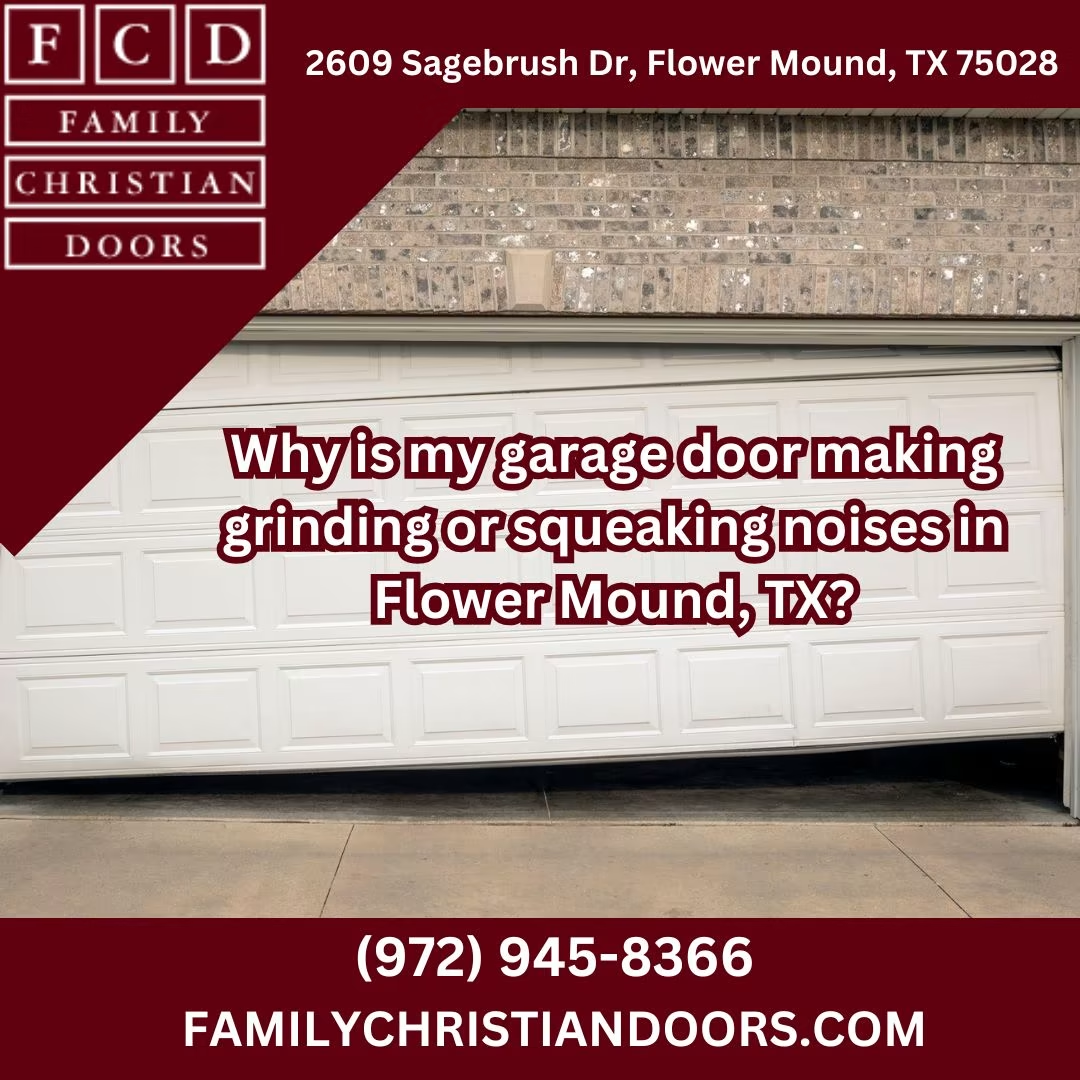
If your garage door is making grinding or squeaking noises, it often means that metal parts are rubbing together due to wear, poor lubrication, or loose components. Homeowners in Flower Mound, TX, commonly experience these noises as a result of weather changes, normal use, or lack of routine maintenance. These sounds are not only annoying but can signal underlying mechanical issues that, if ignored, could lead to costly garage door repair or safety risks. Understanding what causes these noises can help you act early and keep your garage door running quietly and efficiently.
Introduction
Garage doors are built to operate smoothly and quietly. When that familiar hum turns into a grinding or squeaking noise, it is a clear sign something is wrong. Homeowners in Flower Mound, TX, often overlook these early warning sounds until the problem worsens. However, consistent noises usually indicate wear on critical moving parts such as rollers, hinges, or tracks. Identifying the source early prevents damage to the system and ensures the safety of everyone using it.
Common Reasons Your Garage Door Makes Grinding or Squeaking Noises
1. Lack of Lubrication
Lubrication is one of the simplest yet most overlooked maintenance tasks. When metal components like hinges, springs, and rollers operate without proper lubrication, they generate friction that causes squeaking or screeching. In North Texas climates, using a silicone-based or lithium-based garage door lubricant is ideal since it can withstand the region’s heat and humidity. Regular lubrication ensures smoother movement and extends the life of each part.
2. Worn or Rusted Rollers
Garage door rollers allow the door to glide along the tracks. Over time, they can wear out, become rusted, or develop flat spots, which lead to grinding noises. Homeowners may notice the door shudders or vibrates as it moves. While minor wear can be managed with lubrication, heavily worn or rusted rollers should be replaced by a professional to maintain safe operation.
3. Loose Hardware or Misaligned Tracks
Your garage door vibrates with every use, which gradually loosens screws, bolts, and brackets. When these parts loosen, the door may shake or rattle, creating unwanted noises. Misaligned tracks can also cause metal scraping sounds as the rollers struggle to stay in place. Tightening hardware and ensuring the tracks are level often resolves these issues and restores smooth movement.
4. Damaged Springs or Cables
The springs and cables in a garage door system bear significant tension to lift the heavy door. If a spring begins to wear or a cable frays, you may hear a loud grinding or popping sound when operating the door. These components are under extreme pressure and can be dangerous to repair without professional tools and expertise. A trained technician should handle all spring or cable replacements to prevent injury or further system damage.
5. Motor or Opener Issues
If the noise seems to come from the opener rather than the door itself, the issue could lie in the motor or drive mechanism. Chain-driven openers are especially prone to grinding noises when their chains dry out or the gears wear down. Proper lubrication and occasional tightening of the chain can help. However, if the noise persists, a technician should inspect the opener for worn gears or electrical issues.
How North Texas Weather Contributes to Garage Door Noises
Seasonal Temperature Changes
Flower Mound experiences fluctuating temperatures throughout the year. Metal parts expand in heat and contract in cold, which can loosen connections or create friction between components. These seasonal shifts may make your door sound louder in the winter or summer months. Regular inspections during weather transitions help minimize these effects.
Humidity and Corrosion
High humidity and occasional rain in North Texas can accelerate rust and corrosion on metal garage door parts. Once rust develops, it increases resistance and causes squeaks or grinding. Keeping the area clean and dry, and applying corrosion-resistant lubricants, helps prevent rust-related noise.
Easy Maintenance Tips to Prevent Garage Door Noise
Regular Lubrication Schedule
Lubricate hinges, rollers, tracks, and springs every few months to keep the door operating quietly. Always clean off old lubricant or dust buildup before applying a new layer for maximum effectiveness.
Monthly Inspection Checklist
A quick visual inspection once a month can prevent many issues before they start. Look for loose bolts, track alignment, or signs of rust. Check the balance of the door by disconnecting the opener and manually lifting it halfway. If it stays in place, the balance is correct.
Tightening Hardware and Cleaning Tracks
Use a basic wrench or socket set to tighten any loose screws or nuts. Clean the tracks with a damp cloth to remove dust or debris. Avoid using grease inside the tracks as it attracts dirt and may cause clogging.
Pro Tip: Use Silicone-Based Lubricants
Silicone lubricants perform better than general-purpose sprays like WD-40. They create a long-lasting protective layer without collecting dust. A small amount goes a long way in reducing noise and friction on moving parts.
| Maintenance Task | Purpose | Frequency | Result | Notes |
|---|---|---|---|---|
| Lubricate rollers and hinges | Reduce friction and noise | Every 3 months | Smooth, quiet movement | Use silicone-based lubricant |
| Inspect springs and cables | Ensure safety and proper tension | Twice a year | Prevents sudden failures | Professional inspection recommended |
| Clean door tracks | Remove debris buildup | Monthly | Smooth rolling performance | Avoid oily substances |
| Tighten bolts and brackets | Maintain structural integrity | Quarterly | Reduces rattling and vibration | Simple DIY task |
| Test door balance | Check spring performance | Quarterly | Prevents uneven wear | Adjust if door falls or rises |
When to Call a Professional Garage Door Technician
Signs DIY Fixes Aren’t Enough
If grinding or squeaking noises persist after you have cleaned, lubricated, and tightened everything, the issue may be more serious. Problems involving springs, cables, or openers require professional expertise. Ignoring them can lead to further damage or even a sudden breakdown.
Benefits of Professional Inspection
A certified technician can identify hidden issues that homeowners might miss. They ensure all parts are aligned and functioning safely. Regular professional maintenance extends the lifespan of your garage door and minimizes unexpected repairs down the road.
Why Timely Repair Matters for Homeowners in Flower Mound
Delaying repairs can cause small mechanical problems to escalate into major issues. A noisy garage door may seem minor, but it can strain the opener, wear out components faster, and become a safety hazard. Residents in Flower Mound rely on their garage doors daily for convenience and security. Timely maintenance helps avoid disruptions and ensures dependable operation year-round.
Conclusion
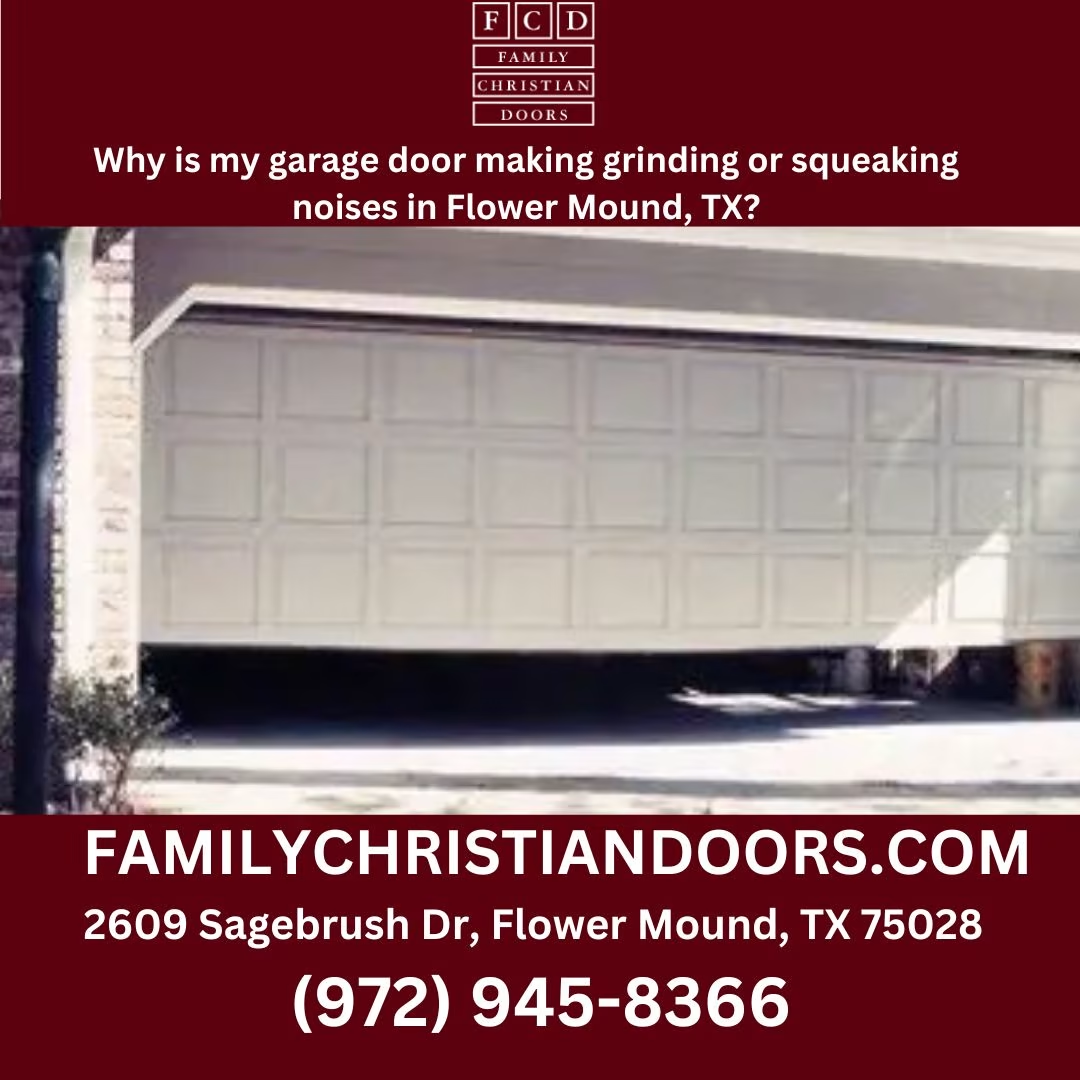
Grinding or squeaking noises from your garage door usually point to friction, worn parts, or alignment problems. Addressing these signs early keeps your system reliable and quiet. Homeowners in Flower Mound, TX, can maintain peace of mind by following a simple maintenance routine and seeking help when necessary. If your garage door continues to make unusual sounds, it is best to have a trusted technician from Family Christian Doors inspect and service it. For expert assistance and more helpful tips, visit https://familychristiandoors.com/garage-door-repair-flower-mound/.
<iframe width=”560″ height=”315″ src=”https://www.youtube.com/embed/MnHsZehuwg8?si=80GV9lSSaGC5-3Fn” title=”YouTube video player” frameborder=”0″ allow=”accelerometer; autoplay; clipboard-write; encrypted-media; gyroscope; picture-in-picture; web-share” referrerpolicy=”strict-origin-when-cross-origin” allowfullscreen></iframe>