

Most homeowners ask themselves this question when facing a malfunctioning garage door: should I invest in another repair, or is it finally time to replace it? The answer depends on several factors, including your door’s age, the severity of damage, repair frequency, and your long-term needs. For Dallas homeowners specifically, understanding these factors becomes even more important because our region’s climate extremes accelerate wear on garage door components. A door that might last 15 years in a milder climate may show significant deterioration by year 12 or 13 here. When you’re evaluating whether to pursue garage door repair or replacement, this guide will help you make a financially sound decision that keeps your home secure and your garage functioning properly.
Diagnostic Signs That Replacement Is Your Better Option
Structural Damage and Frame Deterioration
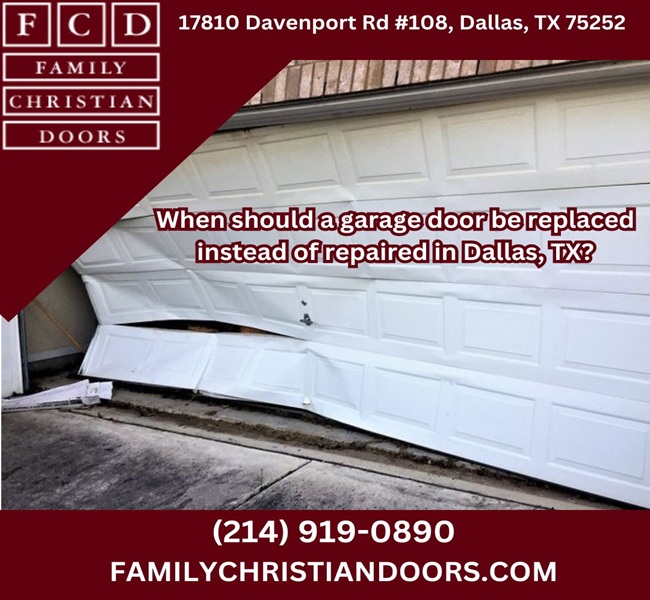
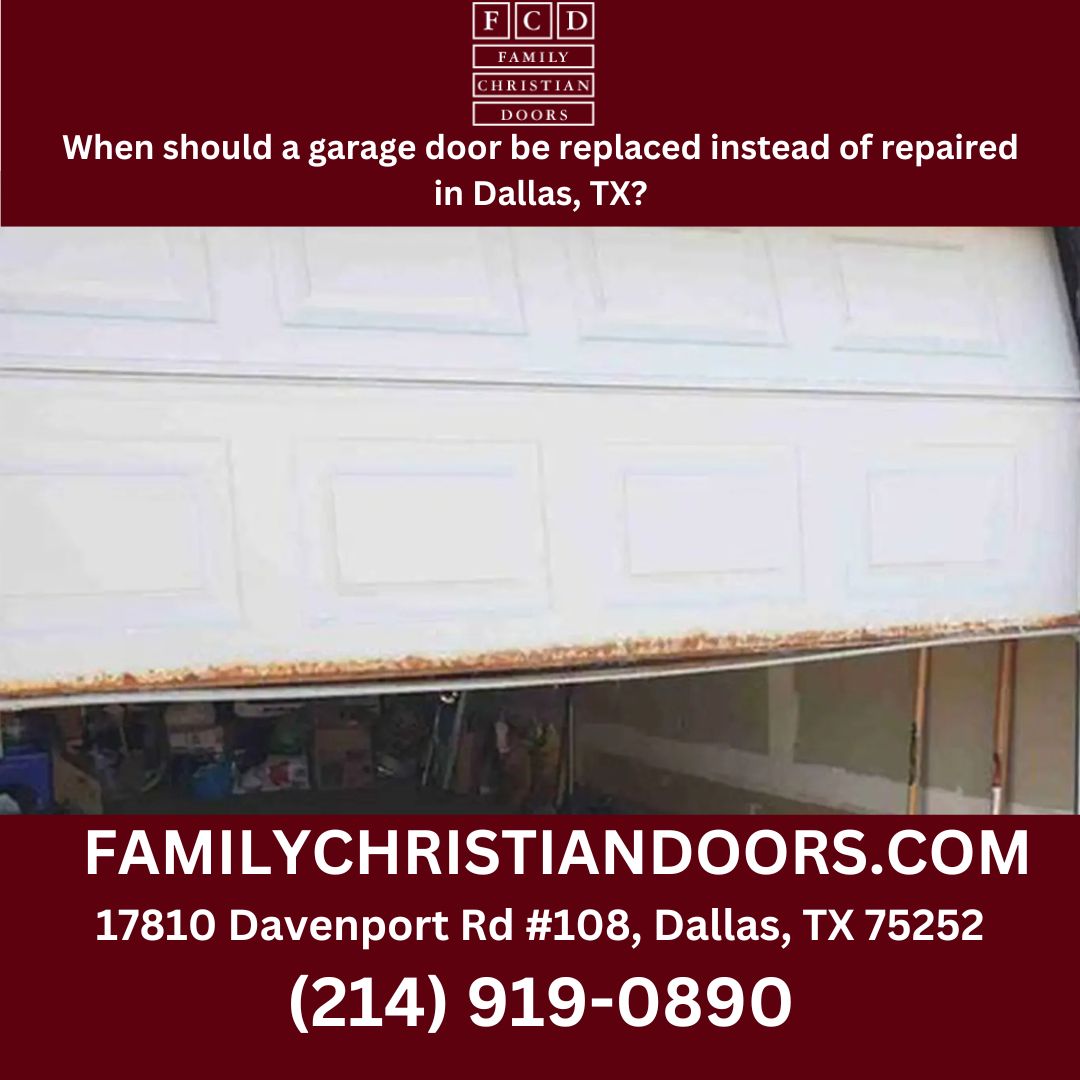
When your garage door’s structure begins to fail, you’re looking at a fundamental integrity issue that typically can’t be effectively repaired. Structural damage includes bent panels that affect the door’s alignment, rust spots that have created holes in the door panels, or extensive denting that prevents smooth operation. In Dallas, particularly in neighborhoods like East Dallas where older homes predominate, garage doors exposed to decades of Texas sun and humidity develop rust at an accelerated rate. If rust has penetrated through the panel surface or if you see separation between panels, replacement is almost certainly your only viable option. A structurally compromised door becomes a safety hazard because it may fall unexpectedly, and continuing to repair individual aspects of a failing structure is like putting a new roof on a house with crumbling foundation walls.
One of the most common structural issues we encounter is Bent Garage Door Panel, which not only affects the door’s appearance but can compromise the entire door’s ability to open and close properly along its tracks. When the structural integrity of your panels is compromised, replacement becomes the logical solution rather than attempting repeated repairs to failing components.
Recurring Opener Failures and Sensor Issues
When your garage door opener needs repair more than once every two to three years, you’ve crossed into territory where replacement becomes logical. The opener is the heart of your door system, and older openers frequently develop problems with internal gearing, wiring, or the logic board that controls operation. Each repair extends the equipment’s life temporarily, but the underlying wear continues. Additionally, many older openers don’t meet current safety standards for sensors and force limits. Dallas building code requirements have evolved significantly, particularly regarding sensor placement and responsiveness. If your opener repeatedly triggers false alarms, has weak remote range, or the safety sensors malfunction even after adjustment, these recurring issues point toward component obsolescence rather than temporary failure.
When recurring opener issues become a pattern, Garage Door Opener Replacement often proves more cost-effective than continued repair cycles. A new opener comes with modern safety features and reliability that older systems simply can’t match, providing peace of mind and eliminating the frustration of repeated service calls.
Spring and Cable Problems: When Repair Becomes Uneconomical
Garage door springs and cables are engineered for a specific number of open-close cycles, typically around 10,000 to 15,000 for residential doors. When these components fail, they can be replaced individually. However, if you’re experiencing multiple cable breaks or spring failures within a short timeframe, your entire door assembly is likely experiencing equal stress and accelerated wear. When springs fail, cables typically follow within months or a year. A door that’s exhausted its mechanical lifespan in one component is close to failure in others. Rather than chain repairs across the system, replacement provides a fresh 15-year lifespan with a warranty that covers springs, cables, and related hardware.
Issues with Broken Garage Door Spring are particularly telling indicators that your door’s overall lifespan is nearing its end. A single spring replacement might seem economical, but it often signals that other components are experiencing similar fatigue, making full system replacement the wiser long-term investment.
How Age Impacts Your Dallas Garage Door’s Lifespan
The 15-Year Mark: A Critical Threshold for North Texas Homes
Industry standards suggest that residential garage doors typically last 15 to 20 years. However, in the Dallas area, most homeowners encounter serious functionality issues by year 12 to 15. This shortened lifespan reflects our region’s temperature volatility. Dallas experiences dramatic seasonal swings, from freezing winter mornings to scorching summer afternoons. This constant expansion and contraction stresses metal components, weatherstripping, and hinges. If your door is approaching or has passed the 15-year mark and you’re facing any significant repair, replacement typically makes more financial and practical sense. Parts compatibility becomes an issue with older doors too, as manufacturers discontinue specific models, making repairs more expensive and time-consuming.
How Dallas Weather Accelerates Component Wear
Dallas doesn’t experience the moderating effects of coastal climates. Our summers push into the 95 to 100-degree range regularly, while winter temperatures can drop below freezing overnight. This thermal cycling is particularly hard on garage door springs, which lose their tension gradually as they’re repeatedly stressed. Humidity in Dallas varies seasonally but spikes during our wet seasons, promoting rust development on uncoated metal parts. The UV intensity at our latitude also degrades weather stripping and painted surfaces faster than in northern states. If your garage door faces west or south, it experiences even more intense sun exposure, accelerating paint fading and material brittleness. These climate factors mean that a 12-year-old Dallas door has experienced roughly equivalent stress to a 15-year-old door in a more moderate climate.
Neighborhood Climate Variations (East Dallas vs. North Dallas Considerations)
Interestingly, Dallas neighborhoods experience slightly different climate pressures based on elevation and tree cover. East Dallas, with its older, more established neighborhoods and mature tree canopy, provides more shade and slightly lower summer temperatures compared to North Dallas developments. However, East Dallas homes often have older garage doors, which compounds wear issues. Plano and Richardson suburbs, being further north and at slightly higher elevation, experience more extreme winter temperature swings. These regional variations mean your replacement timeline might differ from a neighbor’s in another part of the Dallas metropolitan area. A door on a north-facing garage in Richardson might need replacement a year earlier than an identical door facing east in a shaded East Dallas property.
For Dallas homeowners ready to move forward, Residential Garage Door Replacement offers an opportunity to upgrade to a system specifically designed to handle our regional climate challenges, with enhanced durability and weather resistance.
| Condition | Recommended Action |
|---|---|
| Door age under 10 years with single component failure | Repair is typically economical |
| Door age 10-15 years with multiple issues in different systems | Evaluate replacement value versus repair costs |
| Door age over 15 years with any significant damage | Replacement is usually the better choice |
| Structural damage, rust holes, or safety sensor failures | Replacement is essential for safety and code compliance |
| More than two major repairs needed in two years | Replacement prevents further cascading failures |
Repair Costs vs. Replacement Investment: The Real Numbers
When a Single Repair Crosses the Replacement Threshold
Each repair carries both immediate service costs and hidden implications. When you invest in a major repair on an older door, you’re essentially extending the life of a component that’s nearing obsolescence. The real decision matrix involves asking whether this repair will get you through a reasonable timeframe or whether you’re likely to need additional work within the year. Most industry guidance suggests that when a single repair on an older door reaches a certain percentage of replacement cost, replacement becomes the smarter choice. A door over 12 years old with a significant repair need is often a tipping point. Additionally, with each repair, your warranty coverage typically resets or doesn’t include the newly repaired component comprehensively.
Long-Term Cost Analysis for Dallas Homeowners
Consider the lifecycle of your garage door investment over a decade. Older doors often have annual maintenance issues: weatherstripping replacement, spring adjustments, sensor recalibration, and occasional component failures. These accumulate quickly. A new door comes with a comprehensive warranty that covers most components for several years, and high-quality modern doors rarely need service during that period. After comparing five years of occasional repairs on an aging door versus the one-time investment in replacement plus minimal maintenance on a new system, the true cost picture becomes clearer. New doors also operate more smoothly and quietly, which Dallas homeowners consistently value, particularly in newer North Dallas neighborhoods where properties sit closer together.
Energy Efficiency and Insulation Gains with Newer Models
Modern garage doors, particularly insulated models, provide genuine energy savings. Your garage door is often one of your largest uninsulated openings to the outside. During Dallas summer months, an uninsulated door allows tremendous heat transfer into your garage and, indirectly, into your home. Winter months show similar concerns with heat loss. New insulated garage doors with thermal breaks reduce this energy loss significantly. Additionally, modern weatherstripping is far superior to older versions, preventing drafts and maintaining your home’s climate control efficiency. For homeowners who’ve converted garages into home offices or living spaces, as many Dallas homeowners have done, this energy efficiency provides tangible monthly savings on heating and cooling expenses.
Safety Code Compliance and Dallas Building Standards
Why Older Doors May Not Meet Current Safety Requirements
Building codes have evolved substantially over the past 15 years, particularly regarding garage door safety. Current code requires specific sensor placement, force limits during operation, and manual release mechanisms. Older garage doors often lack modern safety sensors altogether or have sensors that don’t meet current responsiveness standards. These aren’t minor technical issues, they’re legitimate safety concerns. A malfunctioning sensor creates the risk of the door closing on a person, pet, or vehicle below it. Dallas building inspectors and real estate transactions increasingly flag older garage doors that don’t meet current code standards. If you’re planning to sell your home in the coming years, an outdated garage door that fails modern safety standards becomes a negotiation point during inspections.
Professional Inspection: Your Next Step
Rather than guessing whether repair or replacement makes sense, a professional inspection by someone experienced with Dallas-area garage door systems provides clarity. A qualified technician can assess your specific door’s condition, evaluate your current safety compliance, and provide honest guidance about remaining lifespan. They’ll look beyond the obvious to identify hidden wear in components you can’t easily see, consider the particular stress your door experiences based on your neighborhood and garage orientation, and help you understand the true cost of continued repairs versus replacement. This inspection investment typically pays for itself in better decision-making and eliminates the stress of uncertain choices.
Making Your Final Decision
Your decision to repair or replace your Dallas garage door ultimately comes down to several interconnected factors: your door’s age, the nature and frequency of repairs, current safety compliance, and your plans for your home. If your door is under 10 years old and experiencing its first or second significant repair, repair is almost certainly the right choice. If your door has passed 15 years and is showing multiple issues, replacement is almost certainly smarter. For doors in the 10 to 15-year range, the decision depends on weighing the cost of the needed repair against the investment in a new system with a fresh warranty. Consider not just the immediate repair cost but the likelihood of additional repairs in the next few years. Factor in safety concerns and code compliance, which aren’t optional considerations. Finally, think about your home’s value and your long-term plans. A new garage door improves curb appeal, provides security through modern safety features, and eliminates the uncertainty of older systems.
The best time to invest in garage door replacement in Dallas is typically before catastrophic failure forces an emergency decision. If you’re currently wrestling with this question, reaching out for a professional inspection and honest assessment will clarify your best path forward. Your garage door is essential to your daily life, your home’s security, and your peace of mind. Making an informed decision about repair versus replacement ensures you’re protecting both your home and your long-term interests.