

What Would Cause the Garage Door Not to Close?
A garage door may not close due to sensor misalignment, track obstructions, or power supply issues. A malfunctioning garage door can be frustrating and inconvenient, especially when it refuses to close properly. The issue often stems from something as simple as misaligned safety sensors, blocked tracks, or electrical problems. Homeowners in Southlake, Texas, usually experience such issues due to environmental factors or regular wear and tear. Understanding these common causes can help you identify the problem and take the necessary steps to fix it. This blog will explore why your garage door may not close and how professional garage door repair services can help restore its functionality.

1. Sensor Misalignment
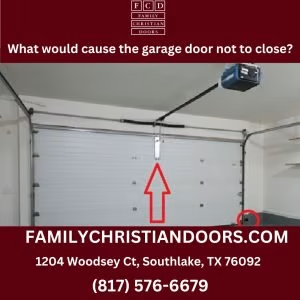
Most modern garage doors come equipped with safety sensors, which prevent the door from closing if an obstruction is detected. These sensors are located near the bottom of the door tracks and emit an invisible beam to ensure nothing is in the way. The garage door may not close completely if the sensors are misaligned, dirty, or blocked.
2. Track Obstructions
The garage door moves along metal tracks, and any obstruction can prevent it from closing correctly. Small objects, dirt buildup, or even misaligned tracks can cause the door to stop or reverse before closing.
3. Power Supply Issues
If your garage door is not receiving adequate power, it may fail to close. This can happen due to a power outage, a disconnected opener, or faulty wiring.
4. Broken Springs or Cables
Garage door springs and cables play a crucial role in lifting and lowering the door. If they are damaged, the door may not function correctly and could get stuck in an open position.
5. Limit Settings Need Adjustment
The garage door opener has limit settings that determine how far the door should move. If these settings are incorrect, the door might not close fully or reverse before touching the ground.
6. Weather Conditions and Moisture
Extreme weather changes and moisture buildup can affect garage door sensors and mechanical components. In areas like Southlake, Texas, humidity and rain can lead to condensation on the sensors, causing malfunctions.
7. Remote Control or Wall Switch Malfunctions
If your garage door remote control or wall switch is not working, the door may fail to close due to a communication issue with the opener.
8. Torsion Spring Issues
Torsion springs help balance the weight of the garage door. When a torsion spring breaks, the door may struggle to close or remain stuck.
9. Worn-out rollers and Hinges
Over time, rollers and hinges can wear out, leading to friction and preventing the garage door from closing correctly.
10. Interference with the Opener’s Signal
Wireless interference from other devices can disrupt the communication between your garage door opener and remote control, preventing the door from closing.
When to Seek Professional Help
While some minor issues can be fixed with DIY troubleshooting, more complex problems require the expertise of a garage door repair specialist. If your garage door still refuses to close after trying the above solutions, it’s best to seek professional assistance. In Southlake, Texas, homeowners can rely on experienced technicians to diagnose and resolve garage door issues efficiently. Professionals have the tools and knowledge to ensure your garage door operates safely and reliably.
Conclusion
A garage door that won’t close can be caused by various factors, from sensor misalignment and track obstructions to power supply issues and mechanical failures. Understanding these potential causes can help you take the proper steps toward fixing the problem. If you’re experiencing ongoing issues, don’t hesitate to contact a professional garage door repair service. Whether in Southlake, Texas or elsewhere, expert help is available to restore your garage door’s functionality and keep your home secure.
