

Broken garage door springs are by far the most common garage door repair issue affecting Dallas homeowners today. When a spring breaks, your entire garage door system becomes inoperable, leaving your vehicle exposed and your home less secure. This single component failure accounts for the majority of emergency garage door repair calls in the Dallas area, yet many homeowners don’t realize how vulnerable their springs are until failure occurs. Understanding why springs fail, how to recognize early warning signs, and what preventive garage door repair steps matter most can save you from costly emergency repairs and extended downtime. Your garage door works harder in Dallas’s unique climate than you might expect, and the weather patterns here accelerate wear on critical components in ways that many property owners overlook.
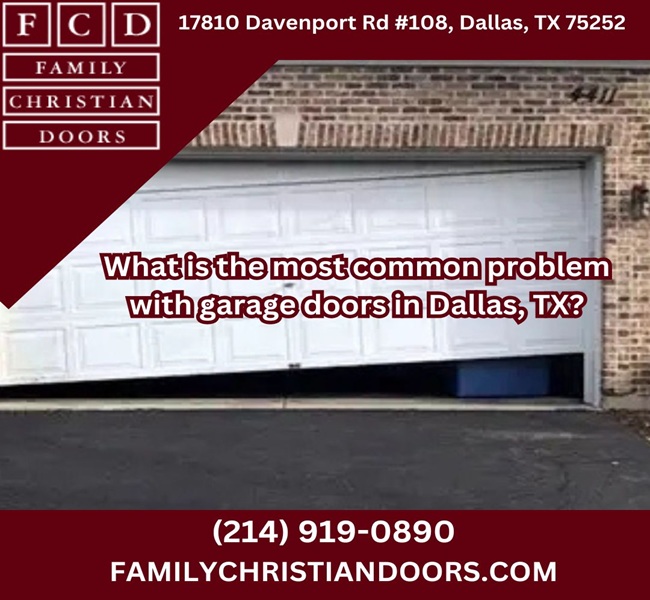
Broken Springs: Why 90% of Dallas Garage Door Repairs Start Here
How Broken Springs Fail (And Why Dallas Weather Accelerates the Problem)
Garage door springs operate under tremendous tension. A single spring can support up to 350 pounds of weight, meaning it bears an enormous load every single time your door opens or closes. Over time, metal fatigues. In Dallas, this fatigue process accelerates dramatically because of our climate’s temperature swings, humidity patterns, and intense summer heat.
Springs fail through a process called cyclic stress. Each time you open and close your door, the spring experiences expansion and contraction. After thousands of cycles, tiny cracks develop internally. Eventually, the metal gives way completely, and the spring snaps. In Dallas, the average spring lifespan is considerably shorter than in more temperate climates because our weather conditions intensify this stress pattern.
When a spring breaks, the entire weight of your garage door drops onto the opener system, which isn’t designed to handle that load. This cascading failure can damage your opener, cables, and track in rapid succession, transforming a single component replacement into a much more expensive repair scenario.
The Real Cost of Ignoring a Broken Spring
A broken spring doesn’t just inconvenience you. It creates immediate safety and security risks. Your door won’t open, leaving your vehicle trapped inside your garage. Your home’s main entry point becomes compromised. Emergency repair calls always cost more than scheduled maintenance, and the longer you wait, the greater the chance of secondary damage to other components.
Beyond the repair itself, a non-functioning garage door affects your daily routine, your home’s curb appeal, and your peace of mind about home security. This is why recognizing early warning signs matters so much.
Why Dallas’ Climate Makes Garage Door Springs Fail Faster
Summer Heat and Metal Fatigue
Dallas summers are relentless. Temperatures regularly exceed 95 degrees, and garage temperatures can climb even higher, sometimes reaching 120 degrees or more. Metal expands in heat, and the constant expansion and contraction of spring material accelerates the fatigue process significantly. The intense UV exposure also degrades the protective coating on springs, exposing bare metal to oxidation and corrosion.
This thermal cycling happens daily during our extended summer months, adding years of wear to your springs in ways that cooler climates simply don’t experience. Every garage door spring in the Dallas area is working overtime during peak summer season.
Winter Temperature Swings in North Dallas vs. South Dallas
While Dallas winters are mild compared to northern states, the temperature swings matter enormously. A day that reaches 65 degrees followed by a cold night dropping to 35 degrees creates significant stress on metal components. North Dallas properties, particularly in areas like Plano and Richardson, experience slightly more dramatic swings than central Dallas neighborhoods.
This temperature differential, repeated dozens of times throughout the winter season, contributes meaningfully to spring degradation. Homeowners in older north Dallas properties often report higher failure rates than those in newer construction or more climate controlled environments.
How Humidity Cycles Damage Springs (And Why It Matters)
Dallas humidity fluctuates dramatically between seasons and even throughout individual days. High humidity promotes rust formation on spring surfaces, while dry periods cause the metal to become brittle. This moisture cycling weakens the structural integrity of your springs over time, making them more susceptible to sudden failure.
Springs that show visible rust or discoloration are already in an advanced stage of deterioration. The oxidation process doesn’t just affect appearance; it compromises the metal’s strength at a molecular level. A spring with active rust spots will fail within weeks rather than months.
Recognizing a Broken Spring Before It Traps Your Car
5 Warning Signs You’re Hours Away From a Repair Call
Early detection prevents emergency situations. Watch for these five indicators that your springs are failing:
- Loud creaking, popping, or snapping sounds when opening or closing your door, especially if these sounds are new or intensifying
- Your garage door moving slowly, hesitating, or appearing to struggle during operation when it previously opened smoothly
- Visible gaps forming where the door panels connect, suggesting uneven weight distribution across the door
- The door appearing tilted or uneven when closed, leaning to one side rather than sitting level
- Difficulty opening the door manually, or needing help pushing it up if the opener fails to engage
Any of these signs warrant professional inspection immediately. Don’t attempt repairs yourself; spring systems carry serious injury risk and require specialized tools and expertise that only trained technicians possess.
The Difference Between a Fully Broken vs. Partially Damaged Spring
A fully broken spring snaps with an audible pop, typically while the door is operating. You’ll immediately notice your door won’t respond to the opener or feels dramatically heavier when you try to lift it manually. A partially damaged spring still functions but shows signs of deterioration. You might hear noises, notice slower operation, or see visible damage when inspecting the spring directly.
The critical point: a partially damaged spring will fail completely within hours or days, not weeks. Once you notice signs of spring problems, schedule repair service immediately to prevent total failure and avoid being stranded with a non-functioning door.
Common Dallas Neighborhoods Most Affected by Spring Failure
Why Older Homes in East Dallas Face Higher Risk
East Dallas properties, particularly homes built before 2000, tend to have older garage door systems with original springs. These springs have already accumulated years of climate exposure and stress cycling. Properties in neighborhoods like Lakewood, White Rock, and Casa View report higher incidence of spring failures, partly because many homes in these areas still operate with original or long serving systems.
If you own an older home in East Dallas, proactive spring inspection and maintenance become even more critical than in newer construction areas. The investment in preventive maintenance will pay dividends in avoiding emergency repairs.
Spring Lifespan in North Dallas vs. Central Dallas Properties
North Dallas suburban areas like Plano, Richardson, and Frisco experience slightly different climate stress than central Dallas. Newer construction in these northern areas typically means newer garage door systems, which naturally have longer remaining lifespan. Central Dallas properties represent a mix of older and newer homes, creating variable spring conditions across neighborhoods.
Regardless of location, the Dallas climate itself presents challenges that accelerate spring deterioration faster than national averages. Every homeowner in the Dallas area should expect springs to require attention sooner than industry standards suggest for other climates.
How to Prevent Broken Springs (What Most Dallas Homeowners Miss)
Maintenance Schedule That Actually Works
Professional maintenance every 12 months represents the most effective prevention strategy. During these inspections, technicians apply lubrication to springs, check for early signs of wear, measure spring tension, and assess overall system condition. Regular lubrication reduces friction, decreases metal fatigue, and extends spring lifespan by years in our climate.
Most homeowners wait until something breaks before calling a professional. This reactive approach inevitably leads to emergency repairs and unexpected costs. Proactive maintenance catches problems early and prevents cascading system failures that damage multiple components simultaneously.
Component Check: Springs, Cables, and Openers—What Fails Together
Springs don’t fail in isolation. When a spring breaks, it forces dramatic changes in tension and weight distribution throughout your entire door system. Cables can snap, openers can burn out, and tracks can bend under uneven loads. Comprehensive maintenance checks all components simultaneously to ensure nothing is being stressed beyond its safe operating limits.
Think of your garage door system as an integrated unit. One failing component stresses all others. Preventive maintenance keeps everything working harmoniously and catches problems before they cascade into multiple failures that become expensive and disruptive.
| Dallas Climate Factor | Impact on Garage Door Springs |
| Summer Heat (95+°F) | Accelerates metal fatigue and UV coating degradation |
| Winter Temperature Swings (30-65°F) | Creates constant expansion and contraction stress cycles |
| Humidity Cycling | Promotes rust formation and brittleness in metal composition |
| Age of Home Systems | Older springs accumulate decades of climate exposure effects |
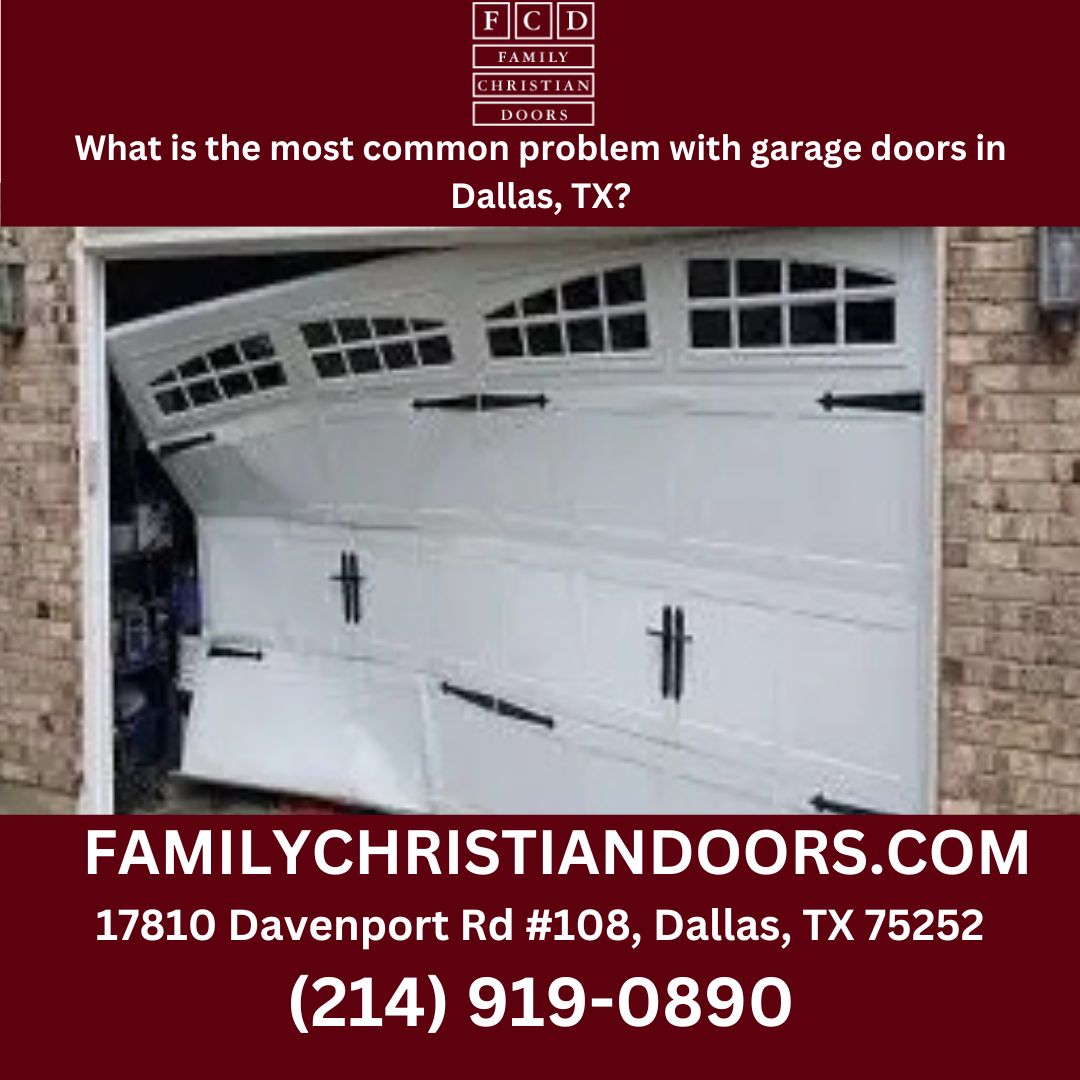
Get Your Garage Door Inspected Today
Spring failures in Dallas happen without warning, but they’re entirely preventable with proper maintenance and early detection. If you’ve noticed any of the warning signs mentioned here, or if your garage door system hasn’t been professionally serviced recently, now is the time to schedule an inspection.
Family Christian Doors serves Dallas homeowners with expert garage door repair and maintenance services. Our technicians understand the specific challenges that Dallas’s climate presents, and we’re equipped to handle every aspect of garage door spring problems from prevention through repair. We serve neighborhoods throughout Dallas and specialize in helping homeowners avoid emergency repairs through proactive care and timely maintenance.
Contact Family Christian Doors today to schedule your garage door inspection. Identify potential problems before they become expensive emergencies, and keep your garage door system operating reliably year round. Your home security and daily convenience depend on a properly functioning garage door, and professional maintenance ensures both remain strong throughout the seasons. Visit us at familychristiandoors.com/garage-door-repair-dallas/ to learn more about our services and schedule your appointment.
