

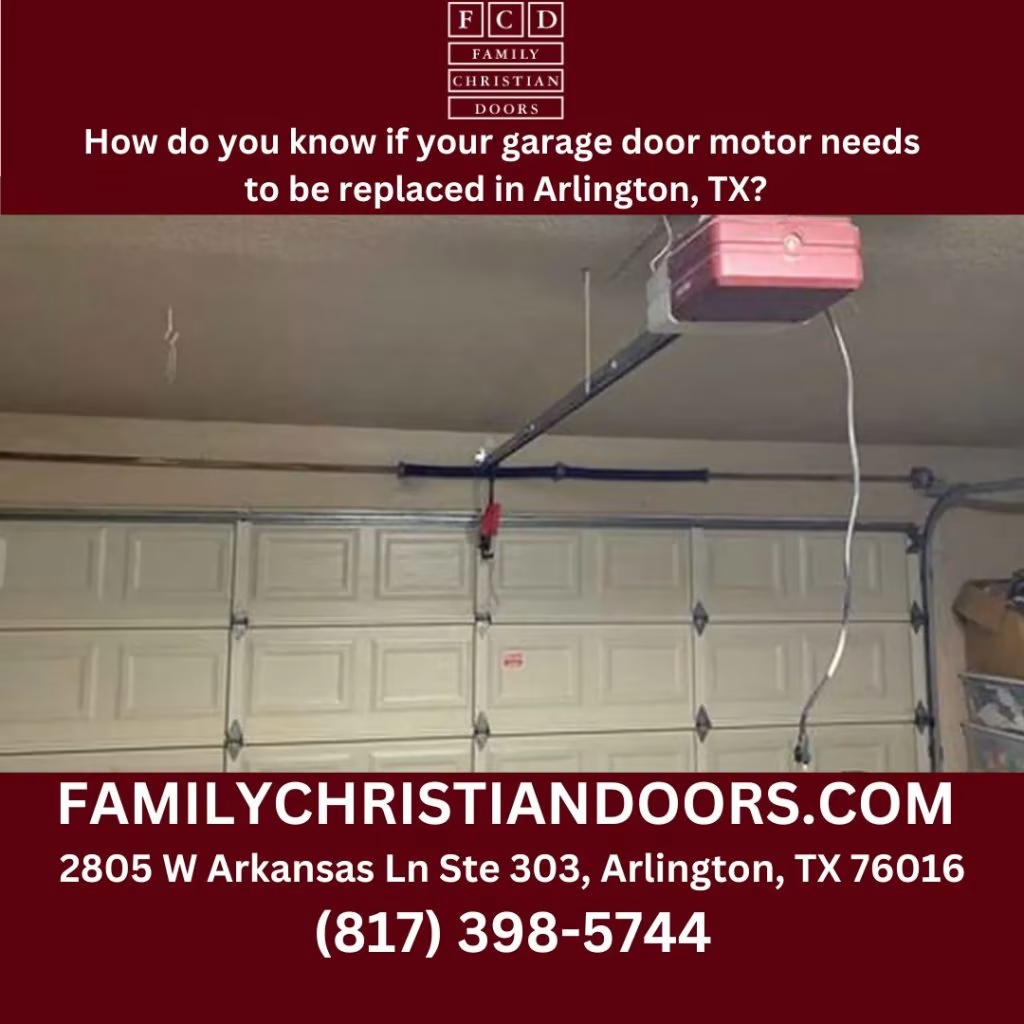
If your garage door motor is showing signs of wear or performance issues, it may be time for a replacement. Homeowners in Arlington, TX should watch for changes such as unusual noises, slow or uneven movement, and frequent manual operation. These symptoms can signal that the motor is no longer functioning efficiently or safely, requiring timely garage door repair to restore proper operation. Understanding these warning signs is essential because a faulty motor can compromise convenience, security, and the overall integrity of your garage door system. By learning how to recognize potential problems early, you can address them before they lead to more costly repairs or safety concerns.

Understanding the Role of a Garage Door Motor
What a Garage Door Motor Does
The garage door motor powers the opener system, enabling the door to open and close smoothly. It works in coordination with springs, cables, and tracks to lift the heavy weight of the door with minimal effort. Without a functioning motor, you would have to rely on manual operation, which can be inconvenient and unsafe.
Why Motor Health Is Critical for Daily Operation
A healthy motor ensures your garage door operates reliably every day. When the motor functions properly, it reduces strain on other components and provides consistent performance. Any decline in motor efficiency can lead to uneven operation, mechanical stress, or complete system failure.
Common Types of Garage Door Motors Used in Arlington Homes
Many homes in Arlington use chain drive, belt drive, or screw drive motors. Chain drive motors are known for their strength, belt drive motors for their quiet operation, and screw drive motors for their simplicity. Each type has different maintenance needs and lifespan expectations.
Common Signs Your Garage Door Motor May Be Failing
Unusual Noises During Operation
Grinding or Screeching Sounds
Loud grinding or screeching noises can indicate worn gears or internal components that are struggling to function. Ignoring these sounds can lead to further damage.
Buzzing Without Movement
If the motor hums or buzzes but the door does not move, it could be a sign that the motor is receiving power but is unable to engage the lifting mechanism.
Slower or Inconsistent Door Movement
Delayed Response After Pressing the Remote
A noticeable delay between pressing the remote and the door beginning to move can point to a motor that is struggling to initiate the opening sequence.
Door Stopping Midway
If the door stops unexpectedly during operation, the motor may be overheating or losing power output, preventing it from completing the cycle.
Motor Overheating or Shutting Down Unexpectedly
Overheating can cause the motor to shut down temporarily to prevent damage. Frequent overheating is a clear sign the motor is nearing the end of its life.
Frequent Need for Manual Operation
When you find yourself opening or closing the door manually more often, it could be due to motor failure, lack of power, or worn-out components inside the motor housing.
Visible Wear, Smoke, or Burning Smell from the Motor Housing
Any visible damage, smoke, or unusual odor from the motor area should be addressed immediately, as these signs indicate significant internal problems.
How to Differentiate Between Motor Issues and Other Garage Door Problems
When the Problem Is with the Opener Remote
Sometimes, the issue is not the motor but the remote control or wall switch. Checking the batteries or reprogramming the remote can resolve such problems.
When the Problem Is with the Springs or Tracks
Broken springs or misaligned tracks can also cause the door to move poorly or not at all. These issues are separate from the motor but can be mistaken for motor failure.
Professional Diagnosis vs. DIY Checks
While you can perform simple tests, a professional technician can accurately identify whether the motor needs replacement or if another part of the system is at fault.
Factors That Affect Garage Door Motor Lifespan in Arlington, TX
Local Climate and Seasonal Temperature Changes
Arlington’s hot summers and occasional winter freezes can cause expansion and contraction in garage door components, impacting motor performance over time.
Frequency of Door Usage
High daily usage puts more strain on the motor, shortening its lifespan compared to motors in homes where the door is used less frequently.
Quality of Installation and Maintenance Practices
A properly installed motor with regular maintenance will last longer and perform more reliably than one that is neglected or installed incorrectly.
Why Timely Replacement Matters
Preventing Safety Hazards
A failing motor can cause sudden stops or reversals, creating potential safety hazards for people, pets, and vehicles.
Protecting Other Garage Door Components
When the motor struggles, it can place unnecessary strain on springs, cables, and rollers, leading to additional repairs.
Maintaining Home Security
A functioning motor helps ensure the garage door closes securely, protecting your home from unauthorized access.
Professional Inspection and Replacement Process
Initial Assessment and Motor Testing
A technician will test the motor’s power output, responsiveness, and connection to other garage door components to determine the extent of the problem.
Choosing the Right Replacement Motor
Matching Motor Strength to Door Size and Weight
The replacement motor must have enough power to handle the weight of your garage door without strain, ensuring consistent operation.
Considering Noise Level and Technology
Many homeowners in Arlington choose quieter motors with modern features such as smartphone connectivity for added convenience.
The Importance of Licensed Garage Door Technicians
Hiring a licensed professional ensures that the motor is installed correctly, tested thoroughly, and adjusted for smooth performance.
Tips to Extend the Life of Your New Garage Door Motor
Regular Lubrication of Moving Parts
Keeping hinges, rollers, and springs lubricated reduces friction and prevents the motor from working harder than necessary.
Keeping Tracks and Rollers Clean
Debris and dirt buildup can cause resistance in the door’s movement, forcing the motor to exert more effort and wear out sooner.
Scheduling Routine Maintenance Checks
Annual professional inspections can identify minor issues before they become major problems, preserving the life of your motor.
| Warning Sign | Possible Motor Issue |
|---|---|
| Grinding noises | Worn gears or internal damage |
| Door moves slowly | Motor losing power output |
| Frequent manual operation | Motor unable to lift the door |
| Motor overheats | Electrical or mechanical strain |
| Burning smell | Electrical component failure |
Conclusion
Recognizing the Warning Signs Early
Paying attention to changes in your garage door’s performance can help you detect motor issues before they cause complete failure. From unusual noises to overheating, these signs should never be ignored.
The Value of Professional Help in Arlington, TX
When you suspect your garage door motor is failing, contacting a trusted local expert ensures the problem is diagnosed accurately and resolved promptly. Family Christian Doors offers the expertise to keep your garage door system safe, reliable, and ready for daily use.
