

The quickest way to tell what is wrong with your garage door is to pay attention to how it sounds, how it moves, and how it responds to the remote or wall switch. Grinding noises, uneven movement, and slow response times are usually the first clues that something needs attention. For homeowners in Arlington, these issues often show up faster than in other climates because of the region’s intense summer heat and sudden temperature swings. This guide walks through the most common warning signs, explains how Arlington’s weather plays a role, and outlines which issues are safe to check yourself versus which ones call for professional garage door repair from a trained technician.
Common Signs Your Garage Door Needs Attention
Garage doors rarely fail without warning. In most cases, the door gives off small signals well before a complete breakdown occurs.
Unusual Noises When Opening or Closing
A healthy garage door should move with a smooth, consistent hum. If you start hearing grinding, popping, rattling, or squealing sounds, the door is telling you something is off. Grinding often points to worn gears inside the opener, while popping can indicate a spring under strain. Rattling is frequently caused by loose hardware, which is common after months of vibration from daily use.
Door Moves Unevenly or Gets Stuck
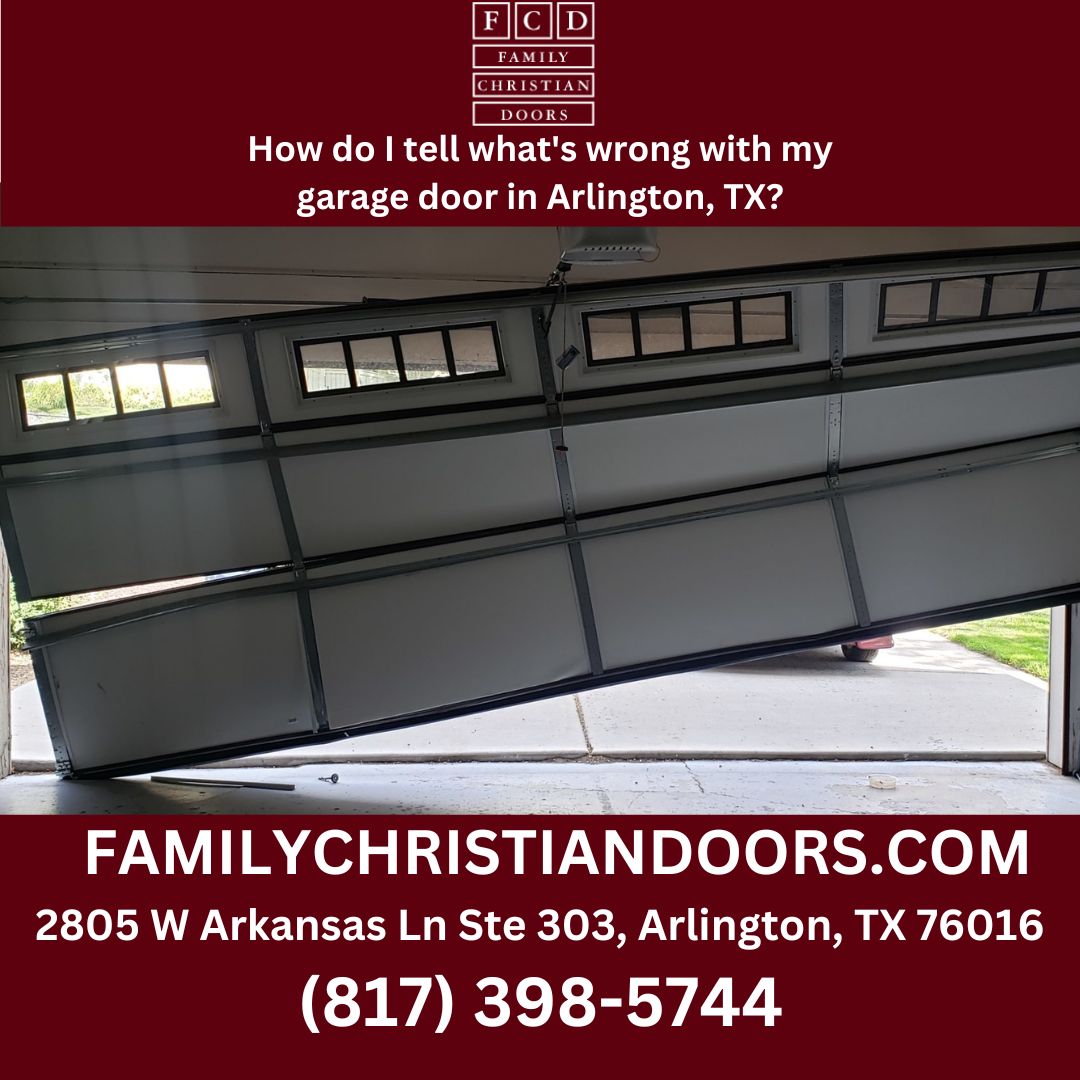
If one side of the door appears to lift faster than the other, or the door jerks and pauses partway through its cycle, this usually signals a problem with the tracks, rollers, or cables. An uneven door places extra strain on the opener and increases the risk of the door coming off its track entirely.
Door Won’t Respond to the Remote or Wall Switch
When the remote or wall switch fails to trigger the door, the cause could be as simple as dead batteries or as involved as a malfunctioning circuit board. Before assuming the worst, check the batteries and confirm the wall switch has power. If both are working normally and the door still will not respond, a Garage Door Opener Remote Replacement may be the most effective solution.
How Arlington’s Climate Affects Garage Door Performance
Texas weather is not gentle on mechanical components, and garage doors are no exception. Homeowners in Arlington often notice certain issues appear seasonally, tied directly to the extreme heat, humidity, and rapid temperature shifts common to North Texas.
Heat and Humidity Impact on Springs and Cables
During peak summer months, metal components like springs and cables expand slightly under heat, which can affect tension and increase wear over time. Humidity adds another layer of concern, since moisture can accelerate rust formation on cables and hardware that are not regularly maintained.
Seasonal Temperature Swings and Track Alignment
Arlington’s shift from cold mornings to hot afternoons, especially in transitional months, causes metal tracks to contract and expand. Over time, this constant movement can nudge tracks out of alignment, leading to the uneven movement described earlier.
DIY Checks You Can Safely Perform
Not every garage door issue requires a service call. Several checks are safe for homeowners to perform, as long as the door’s springs and cables are left untouched.
Inspecting the Tracks and Rollers
Visually examine the metal tracks on both sides of the door for dents, gaps, or debris buildup. Rollers should move smoothly without wobbling. A flashlight can help spot small cracks that are easy to miss in low garage lighting.
Testing the Photo Eye Safety Sensors
Every modern garage door has two small sensors near the bottom of the tracks that prevent the door from closing on an obstruction. Wipe both lenses clean and make sure they are aligned and facing each other directly. A blinking light on either sensor usually indicates a Safety Sensor Out of Adjustment.
Listening for Motor or Gear Issues
Stand near the opener unit while operating the door and listen closely. A straining motor sound paired with slow or jerky movement often points to internal gear wear rather than a simple lubrication issue.
What Grinding or Popping Sounds Usually Mean
Grinding typically points to metal on metal contact from worn gears or dry rollers. Popping is more concerning, as it can indicate a spring that is beginning to fail under tension. Neither sound should be ignored, and popping in particular should prompt an immediate stop in using the door until it can be assessed.
| Warning Sign | Likely Cause |
|---|---|
| Grinding noise during operation | Worn gears or dry rollers |
| Popping sound before movement stops | Spring under excessive strain |
| Uneven door movement | Misaligned tracks or worn cables |
| Door reverses unexpectedly | Dirty or misaligned photo eye sensors |
| No response to remote or switch | Dead batteries or opener circuit issue |
Warning Signs That Signal a Safety Critical Problem
While many garage door issues are manageable, some symptoms indicate a genuine safety risk. Recognizing these early can prevent injury.
Visible Damage to Springs or Cables
Torsion springs hold an enormous amount of tension, and a visibly stretched, rusted, or gapped spring is a clear sign of a Broken Garage Door Spring. Frayed or loose cables are equally serious, since they control the door’s weight as it travels along the track.
A Door That Feels Heavy or Falls Quickly
If you manually disconnect the opener and the door feels unusually heavy, or if it drops rather than lowering smoothly, the springs are likely no longer providing proper counterbalance. This is a clear indicator that professional service is needed.
When to Call a Professional Garage Door Technician
Knowing when to stop troubleshooting and call in a professional is just as important as spotting the early signs. Garage doors combine heavy moving parts with high tension components, and certain repairs are not safe for homeowners to attempt.
Risks of DIY Spring or Cable Repair
Torsion springs and cables are under significant load at all times, even when the door is closed. Attempting to adjust or replace them without proper tools and training can result in serious injury, particularly when dealing with a Cable off Garage Door situation.
What a Professional Diagnostic Visit Includes
A trained technician will typically inspect the springs, cables, tracks, rollers, opener components, and safety sensors as part of a full diagnostic. This approach helps identify secondary wear before it becomes a larger problem, which matters given how Arlington’s climate accelerates component fatigue.
Frequently Asked Questions About Garage Door Diagnosis
Can I safely diagnose garage door issues myself?
Homeowners can safely check rollers, tracks, and sensors, and listen for unusual sounds. Springs and cables should always be left to a professional.
Why does my garage door act up more in summer?
Heat causes metal components to expand, which can affect spring tension and accelerate wear on cables during Arlington’s extended periods of high temperatures.
Is a noisy garage door always a serious problem?
Not always, but noise should never be ignored. Some sounds indicate simple lubrication needs, while others, like popping, can signal a spring nearing failure.
Conclusion
Learning how to tell what is wrong with your garage door starts with paying attention to noise, movement, and responsiveness, then factoring in how Arlington’s heat and humidity accelerate wear on key components. Simple checks like inspecting rollers, cleaning sensors, and listening for unusual sounds can be done safely at home. Anything involving springs, cables, or a door that feels heavy or falls quickly should be left to a professional. If your garage door is showing any of these warning signs, Family Christian Doors is ready to provide a thorough diagnostic and get it operating safely again.