

Your garage door springs are broken when you notice your door is difficult to open, appears unbalanced, or makes loud sounds during operation. Garage door springs are critical components that support the weight of your door, and when they fail, your entire system becomes unsafe and unusable. For Dallas homeowners, understanding the signs of broken springs is essential because our intense heat cycles put extra strain on these metal components, causing premature wear and failure. A broken spring isn’t just an inconvenience; it’s a safety hazard that requires immediate garage door repair professional attention.
Signs Your Garage Door Springs Are Broken
Visual Indicators You Can Spot
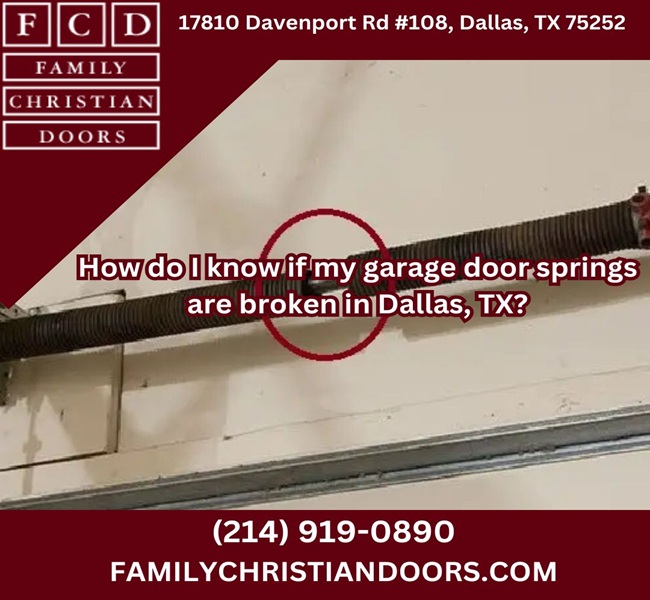
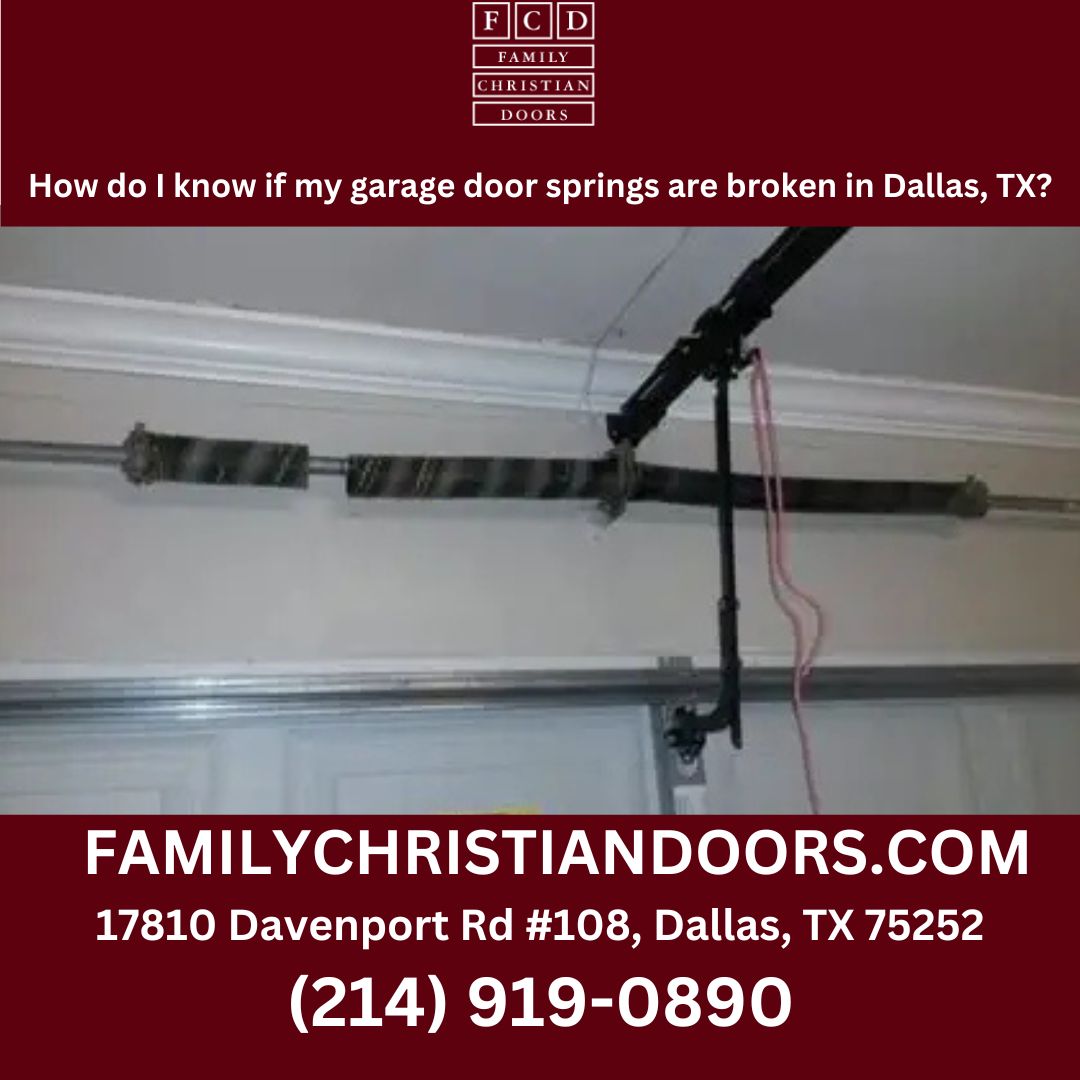
The most obvious sign of a Broken Garage Door Spring is visible damage to the springs themselves. If you can see a gap or separation in the coiled metal above your garage door, or if one spring appears shorter than the other, you have a problem. Look for rust or discoloration that suggests the metal has been compromised by heat and moisture exposure, which is common in Dallas’s hot, humid summers.
Another visual clue is the condition of the door itself. A broken spring causes the door to hang unevenly, with one side sitting lower than the other. You might also notice the door has a twisted or warped appearance when you observe it from outside. These physical deformations occur because the springs are no longer distributing the door’s weight evenly across both sides.
Performance Changes That Signal Spring Failure
When your garage door becomes difficult to open or close, even with the garage door opener running, a broken spring is likely the culprit. You might notice the opener is working harder than usual, making straining sounds as it attempts to lift a heavier load. Some homeowners report that their door opens only partially or gets stuck halfway, which indicates the spring cannot support the door’s full weight anymore.
Another performance indicator is a door that falls too quickly when closing. Springs serve as counterweights that control the speed of descent. Without proper spring tension, gravity takes over, and your door drops rapidly, which is dangerous and damaging to the opener mechanism. If your door slams shut noticeably faster than before, have your springs inspected immediately.
Noise and Sound Changes to Listen For
A loud bang or cracking sound coming from your garage is one of the most dramatic signs of a broken spring. This noise often indicates that the spring has snapped suddenly, which usually happens during operation. The spring uncoils with significant force when it fails, creating a sharp, unmistakable sound that many homeowners describe as an explosion.
Beyond the initial break, listen for grinding, squeaking, or creaking sounds during normal operation. These noises suggest that the remaining spring is overloaded or that metal parts are rubbing against each other because the door isn’t moving smoothly. Dallas’s dust and heat can accelerate wear on springs, making noise a valuable early warning sign before complete failure occurs.
Why Dallas Heat Accelerates Spring Failure
Temperature Cycles and Metal Fatigue
Dallas experiences extreme temperature swings that take a serious toll on garage door springs. During summer, temperatures regularly exceed 95 degrees, and your garage can reach even higher temperatures, particularly in the afternoon. At night, temperatures drop significantly, creating continuous expansion and contraction cycles in the metal springs.
Each time metal expands and contracts, it experiences stress at the molecular level. This process, called thermal cycling, weakens the material over time. Springs in Dallas typically fail faster than springs in more moderate climates because our temperature range is so extreme. The constant heating and cooling gradually makes the metal more brittle and less able to handle the daily stress of supporting your garage door.
How to Spot Heat-Damaged Springs
Heat-damaged springs often show visible signs of deterioration before they break completely. Look for rust or discoloration that extends across the spring surface. If the rust appears deep or pitted, the spring’s structural integrity has already been compromised. Springs that have been exposed to excessive heat may also appear lighter in color than they should be, indicating that the protective coating has worn away.
Another indicator of heat damage is reduced spring tension. If your door feels heavier than it used to, or if the opener struggles more with each cycle, heat damage may have reduced the spring’s ability to counterbalance the door’s weight. This is particularly common in Dallas garages that lack insulation or proper ventilation, allowing heat to concentrate near the springs.
Is It Safe to Use a Garage Door With Broken Springs?
The Real Safety Risks
Operating a garage door with broken springs creates multiple hazards. The door becomes substantially heavier because the springs are no longer supporting its weight. If the opener fails or loses power, the door could come crashing down with several hundred pounds of force, which is dangerous for anyone nearby and could cause serious injury.
Your opener itself is at risk of damage. These motors are designed to work in conjunction with properly functioning springs. When springs are broken, the opener must work exponentially harder, drawing excessive current and generating heat. This accelerates motor failure and can cause electrical problems in your garage’s wiring system. Garage Door Opener Service and Repairs should be considered if your opener has been subjected to strain from broken springs.
Additionally, a door hung on broken springs will not close evenly or smoothly. It may bind or stick, creating situations where the door stops unexpectedly or requires manual intervention. This increases the likelihood of pinched fingers, injuries from sudden movement, or damage to vehicles parked underneath.
Why You Shouldn’t Ignore the Problem
Some homeowners think they can limp along with a broken spring, opening and closing the door manually or using only the opener. This approach compounds the danger. Each time you operate the door, you’re putting additional stress on remaining components and increasing the risk of sudden failure. What starts as one broken spring often leads to the second spring failing shortly after, leaving you with complete system failure.
The longer you wait to address broken springs, the more expensive your repair becomes. A damaged opener, bent tracks, or broken cables often result from continued use with broken springs. A Cable off Garage Door situation is a common secondary issue that develops when spring failure goes unaddressed. Addressing the problem immediately prevents these secondary failures and keeps your repair costs manageable.
Can You Operate Your Door With a Broken Spring?
What Happens When You Try
Technically, you might be able to operate your door manually with broken springs, but it will feel substantially heavier and require more effort than normal. If you attempt to use the automatic opener, you’ll likely hear it struggling or straining as it tries to lift an unbalanced load. Some openers may not open the door at all if the springs are sufficiently damaged.
If you do manage to open the door, closing it becomes the real problem. Without proper spring tension, the door will fall quickly and uncontrollably. You won’t be able to guide it or stop it if something goes wrong. The closing action could cause injuries, damage to people or property below the door, or damage to the door frame and opener itself.
Why DIY Spring Repair Is Dangerous
Many homeowners consider replacing garage door springs themselves to save money. This is one of the most dangerous DIY projects you can attempt at home. Springs are under extreme tension, sometimes with 200 pounds of force or more per spring. When you remove a broken spring without proper tools and knowledge, that tension can release suddenly, causing severe injuries including lacerations, broken bones, or worse.
Professional technicians have specialized tools, safety equipment, and training to handle this task safely. They understand the tension requirements, know how to balance springs properly, and can identify other components that may have been damaged by the spring failure. Attempting this repair yourself puts your safety at serious risk and often results in improperly balanced springs that create new problems.
What to Do When Your Springs Break
Immediate Steps to Take
First, stop using your garage door. Don’t attempt to open or close it, and don’t let family members operate it. If the door is already open, leave it open. If it’s closed, leave it closed. Continuing to use the door while springs are broken increases danger and can damage the opener and other components.
Second, contact a professional garage door repair company immediately. Don’t wait or hope the springs will somehow fix themselves. Springs don’t heal or improve over time; they only worsen. The longer you wait, the more risk you’re assuming and the more potential damage your system can sustain.
Professional Spring Replacement Explained
Professional technicians will inspect your entire garage door system to determine what needs replacement. Often, both springs should be replaced simultaneously, even if only one has visibly failed. Springs wear together, and replacing only the broken one typically results in the remaining spring failing shortly after because it now bears extra load.
The technician will use specialized equipment to safely remove the tension from the broken springs and install new ones. They’ll adjust the tension carefully to ensure both springs balance the door’s weight evenly. They’ll also inspect tracks, cables, rollers, and the opener to identify any secondary damage caused by the broken springs. Services like Garage Door Roller Repair may be needed if rollers have been damaged during the spring failure. This comprehensive approach ensures your door operates safely and smoothly after the repair.
| Spring Issue | What You’ll Notice |
|---|---|
| Complete Spring Break | Loud bang sound, door won’t open or opens only partially, uneven door appearance |
| Heat Damage and Weakening | Door feels heavier, opener strains during use, visible rust or discoloration on springs |
| Unbalanced Springs | Door hangs crooked, one side sits lower than the other, door is difficult to open |
| Loss of Spring Tension | Door drops too quickly when closing, opener works harder than normal |
| Spring Failure in Progress | Squeaking, creaking, or grinding noises during operation, gradual increase in difficulty opening door |
Conclusion
Recognizing the signs of broken garage door springs is crucial for your safety and the functionality of your garage door system. Visible damage, performance changes, and unusual sounds are all indicators that your springs need professional attention. Dallas homeowners face unique challenges due to our intense heat cycles, which accelerate spring wear and failure compared to other regions.
Operating a garage door with broken springs puts you and your family at risk and causes additional damage to your system. The answer to “how do I know if my garage door springs are broken” is clear: if you notice uneven door movement, unusual sounds, difficulty opening, or visible damage, you have a spring problem that requires professional repair.
Don’t attempt to repair or ignore broken springs. Contact Family Christian Doors today to schedule a professional inspection and repair. Their technicians can quickly identify the problem, safely replace your springs, and ensure your entire system operates safely. Your garage door is too important and too dangerous to handle alone. Reach out to Family Christian Doors for reliable, professional garage door repair service in Dallas.
