

If your garage door won’t open, feels extremely heavy, or you hear a loud bang from the garage, chances are your garage door spring is broken.
A broken garage door spring is one of the most common and frustrating issues homeowners face. In Fort Worth, TX and surrounding areas like Arlington, Texas, a malfunctioning spring can bring your daily routine to a halt. This guide will help you understand how to identify a broken spring, why it happens, and what steps to take next—including why professional garage door repair is your safest bet.

Understanding Garage Door Springs
Garage door springs play a crucial role in balancing the weight of the door. Whether you’re opening the door manually or using an automatic opener, it’s the spring system doing most of the work.
There are two primary types of springs:
1. Torsion Springs
- Mounted above the garage door opening
- Use torque to lift the door
- Generally more durable and safer
2. Extension Springs
- Located on either side of the door
- Stretch and contract with movement
- More common in older systems
Both types absorb and release energy to make lifting the door manageable. When a spring breaks, it affects the entire door system’s operation.
Signs Your Garage Door Spring Is Broken
1. Door Doesn’t Open or Opens Partially
If the door won’t open or opens only a few inches before stopping, your opener may be working against the full weight of the door due to spring failure.
2. Door Slams Shut
When a spring snaps, the door might suddenly slam shut because there’s no counterbalance to control the descent.
3. The Door Feels Heavy
If you attempt to lift the door manually and it feels heavier than usual, that’s a major indicator that a spring is no longer assisting the lift.
4. You Hear a Loud Bang
A broken torsion spring can make a loud, sudden noise that sounds like something has crashed or exploded in your garage.
5. Visible Gaps or Misalignment
Inspect your spring: if you see a visible break or separation in the coil, it’s definitely broken. You may also notice hanging or loose cables.
What Causes Garage Door Springs to Break?
1. Normal Wear and Tear
Most springs are rated for a limited number of cycles. Over time, metal fatigue sets in and the spring eventually snaps.
2. Rust and Corrosion
Rust accelerates deterioration. Moisture and lack of lubrication can make springs brittle.
3. Poor Maintenance
Without regular inspection and lubrication, springs wear out faster. Scheduled maintenance extends their life and reliability.
4. Incorrect Spring Type or Installation
Improperly sized springs put uneven strain on the system, leading to premature failure.
In cities like Arlington, Texas, weather changes and seasonal humidity can also impact spring longevity.
The Dangers of Using a Garage Door with a Broken Spring
Operating your garage door with a broken spring isn’t just inconvenient—it can be dangerous. Here’s why:
- Risk of Door Collapse: Without spring support, the heavy door can crash down suddenly.
- Opener Overload: Openers are not built to lift the full weight of a garage door. Attempting to use the opener can damage its motor.
- Injury Risk: DIY attempts at lifting or repairing the door can lead to serious injury.
- Further System Damage: Broken springs affect cables, rollers, and tracks, increasing wear across the system.
What To Do If You Suspect a Broken Spring
1. Stop Using the Door Immediately
Don’t try to force it open or closed. If it’s open, leave it open. If it’s shut, keep it that way until help arrives.
2. Visually Inspect from a Safe Distance
Look for gaps in the torsion spring or hanging extension cables. Avoid touching or tampering with the spring.
3. Contact a Garage Door Repair Professional
This is not a DIY fix. Garage door springs are under extreme tension, and mishandling can cause severe injury.
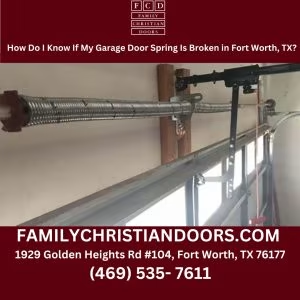
How Garage Door Repair Experts Fix Broken Springs
A trained garage door technician will:
- Identify the correct type and size of spring for your system
- Safely remove the damaged spring
- Install a new, calibrated replacement
- Inspect and tune the entire garage door system
- Perform balance testing to ensure smooth operation
In Fort Worth and Arlington, Texas, many professional garage door repair companies offer same-day service, ensuring your home stays secure and your schedule stays on track.
Preventive Maintenance Tips for Garage Door Springs
You can’t always prevent a spring from breaking, but you can delay it with proper care:
1. Lubricate Regularly
Use a silicone-based garage door lubricant every few months to reduce metal friction and rust.
2. Inspect Every Season
Check for signs of rust, wear, or uneven tension.
3. Schedule Professional Tune-Ups
An annual visit from a garage door repair specialist can help detect early issues.
4. Avoid Overuse
Limit unnecessary opening and closing cycles to extend spring life.
Should You Replace Both Springs?
Most garage doors use a two-spring system. If one spring fails, the other is likely close to failure too.
Replacing both ensures balanced operation, prevents future breakdowns, and saves on labor cost if one fails shortly after the other.
Technicians often recommend dual replacement as a preventive and performance-enhancing measure.
Additional Signs That Point to Spring Failure
Even subtle signs can hint at an impending issue. Be on the lookout for:
- Unusual Noises: Grinding, squeaking, or snapping sounds
- Delayed Response: Door takes longer than usual to open
- Uneven Movement: Door looks crooked or struggles midway
If you’re in Arlington, Texas and experience any of these issues, schedule a garage door repair consultation to prevent a full breakdown.
Local Factors Affecting Garage Door Spring Health
Weather and Humidity
Fluctuating temperatures and moisture in Texas can contribute to spring degradation.
Daily Usage Patterns
High-cycle households using the door multiple times a day put more stress on the springs.
Garage Environment
Uninsulated garages may be more prone to rust formation on metal components.
Final Thoughts: Don’t Ignore the Warning Signs
A broken garage door spring can seem like a minor inconvenience but carries serious safety and reliability risks. Recognizing early symptoms and acting quickly is crucial for avoiding further damage.
Whether you’re in Fort Worth or Arlington, Texas, don’t wait until your garage door is completely unusable. Regular maintenance and timely repair will keep your system functioning efficiently for years to come.
When to Call a Professional Garage Door Repair Service
DIY spring repair is never recommended. These components are tightly wound and can cause significant injury if mishandled.
A professional technician will not only replace the spring safely but also check:
- Cable integrity
- Track alignment
- Roller condition
- Overall door balance and opener calibration
If your garage door shows signs of a broken spring, call a trusted garage door repair service in Fort Worth, TX.
Don’t risk your safety—get expert help to restore security and convenience to your home.
