

Garage door and gate sensors malfunction most often because of physical misalignment, lens contamination, wiring damage, or interference from direct sunlight. If you are a Flower Mound homeowner or commercial property manager dealing with a door or gate that reverses on its own, refuses to close, or flashes warning lights, a sensor problem is almost always the root cause. These small but critical components keep people, vehicles, and property safe every single day. Understanding why they fail, and what local conditions make failure more likely, puts you in a much better position to protect your investment before a minor sensor issue turns into a costly repair. For homeowners and businesses throughout the area, reliable garage door repair starts with understanding your system from the ground up.
How Safety Sensors Keep Garage Doors and Gates Operating Safely
What Photo-Eye Sensors Do in a Garage Door System
Modern residential and commercial garage doors are required by federal law to include safety reversal sensors. These photo-eye sensors work as a pair: one unit transmits an invisible infrared beam across the width of the door opening, and the receiving unit on the opposite side monitors that beam continuously. The moment anything interrupts the beam while the door is closing, the opener reverses direction immediately. This mechanism exists to prevent entrapment injuries and property damage. The sensors are mounted close to the ground, typically around four to six inches above the floor, which makes them effective at detecting low-profile objects but also exposes them directly to the environmental conditions present at ground level.
How Gate Sensors Function Differently Than Garage Door Sensors
Residential and commercial gate systems use a broader range of sensor technologies compared to standard garage door openers. In addition to photo-eye sensors, many gate systems incorporate loop detectors embedded in the driveway pavement, edge sensors along gate panels, and proximity sensors built into the operator unit. Each sensor type has its own set of failure points. Loop detectors, for example, can be compromised by pavement cracking, heavy vehicle traffic, and moisture infiltration. Understanding the specific sensor type in your gate system is the starting point for accurate diagnosis when something goes wrong.
The Most Common Causes of Sensor Malfunction in Flower Mound
Physical Misalignment from Vibration and Daily Cycles
Garage doors complete hundreds or even thousands of open and close cycles each year. Every cycle creates vibration that travels through the door track, the mounting hardware, and ultimately the sensor brackets themselves. Over time, this repeated mechanical stress causes sensor housings to shift out of their original position. Even a minor angular deviation is enough to break the infrared beam and trigger a fault condition. Misalignment is one of the most frequently diagnosed sensor issues and also one of the most misunderstood, because the sensor appears visually intact while the underlying alignment is off by just a few degrees. Homeowners and property managers who notice their door reversing without an obvious obstruction should schedule a professional Safety Sensor Out of Adjustment evaluation as a first step in the diagnostic process.
Dirt, Dust, and Lens Contamination
The transmitting and receiving lenses on photo-eye sensors are small, exposed, and located near the floor. In a working garage environment, that means they collect dust, oil residue, cobwebs, and airborne debris on a regular basis. Even a thin layer of grime on the lens surface reduces the strength of the infrared beam. When the signal drops below the threshold required to confirm a clear path, the system treats it as a blockage and refuses to allow the door to close fully.
Why North Texas Dust and Pollen Make This Worse
Flower Mound sits in a region where seasonal pollen from cedar, oak, and grass species creates some of the highest airborne particulate counts in the country during spring and fall. Combined with the fine clay dust common across Denton County, sensor lenses in this area accumulate contamination faster than in many other parts of the country. Vehicles entering and exiting the garage kick up additional debris at floor level, which lands directly on the sensor housing. Property owners in Flower Mound should plan for more frequent lens inspection and cleaning than the national average would suggest.
Damaged or Corroded Wiring and Loose Connections
Sensor units connect to the garage door opener through low-voltage wiring that runs along the door track and through the wall to the motor unit. This wiring is vulnerable to several forms of damage over a typical system lifespan. Rodents frequently chew through insulated wiring in attic and garage spaces. Repeated door movement causes wire routing to flex, which eventually weakens or breaks internal conductors. Moisture intrusion at connection points promotes oxidation, which increases electrical resistance and creates intermittent signal failures that are particularly difficult to diagnose because they appear and disappear without a consistent pattern.
Sunlight Interference and Signal Disruption
Infrared-based photo-eye sensors can be overwhelmed by direct sunlight. When the sun’s angle aligns directly with the sensor’s receiving lens, the ambient infrared energy flooding the sensor is indistinguishable from the transmitted beam. The receiver effectively goes blind. This results in a door that works reliably in the morning and evening but behaves erratically during specific hours of the day. In some cases the same electrical interference that disrupts sensor communication can also contribute to Limited Garage Door Remote Range, making the overall system less reliable until the underlying signal issue is resolved.
How Direct Southern Exposure Blinds Sensor Lenses in Flower Mound
Many homes in Flower Mound are oriented so that garage openings face south or southwest to maximize curb appeal and natural light on the front elevation. This is one of the most common orientations in planned residential communities throughout North Texas. That southward or southwestern exposure means the afternoon sun, which sits low on the horizon during winter months especially, can drive directly into the receiving sensor lens for extended periods. Homeowners who notice their garage door malfunctioning consistently in the late afternoon hours during fall and winter should consider this phenomenon before assuming a mechanical failure.
How Flower Mound’s Climate Accelerates Sensor Failure
| Climate Factor in Flower Mound | Impact on Sensor Performance |
|---|---|
| Extreme summer heat (100°F+ days) | Thermal expansion shifts sensor brackets and breaks beam alignment |
| High spring and fall pollen counts | Lens contamination accumulates faster, weakening infrared signal strength |
| Gulf moisture and humidity spikes | Accelerates wiring corrosion and promotes oxidation at connection points |
| Severe spring thunderstorms | Power surges damage sensor circuit boards and gate loop detector electronics |
| Low winter sun angle (south-facing garages) | Direct infrared interference from sunlight overwhelms receiving sensor lens |
Summer Heat Expansion and Bracket Stress
Flower Mound experiences extended stretches of triple-digit heat during Texas summers. Metal sensor brackets, mounting hardware, and door track components expand measurably in that heat and contract again overnight. This daily thermal cycling stresses the fasteners that hold sensor brackets in place. Over a summer season, brackets that were properly aligned in spring can drift enough to cause beam interruption. The effect is compounded when garage interiors trap radiant heat from concrete floors and metal door panels, raising ambient temperatures well above outdoor air temperature during peak afternoon hours.
Humidity, Storm Season, and Moisture Intrusion
North Texas storm season brings heavy rainfall, flash flooding, and significant humidity spikes that can persist for days after a storm system moves through. Moisture that infiltrates sensor housings through worn seals or damaged wiring conduit creates short circuits and accelerates corrosion on electrical contacts. Gate systems with underground loop detectors are particularly susceptible when drainage near the gate entry point is inadequate. Standing water around a gate operator housing after a heavy rain event is a reliable warning sign that moisture intrusion may already be affecting the sensor system.
Residential vs. Commercial Sensor Failures: What Each Property Type Faces
Common Sensor Problems for Flower Mound Homeowners
For residential properties, sensor issues most commonly develop gradually rather than appearing suddenly. A homeowner might notice the door behaving differently on certain days, requiring multiple button presses before responding, or reversing unexpectedly when the path is clear. These intermittent symptoms are often dismissed as minor quirks until the system stops functioning entirely. Residential sensor failures are frequently tied to misalignment from door vibration, lens contamination from seasonal pollen, or wiring wear from years of door cycling. Scheduling a diagnostic service call at the first sign of inconsistent behavior through a professional Garage Door Opener Service and Repairs provider prevents a simple adjustment from becoming a full component replacement.
Sensor Challenges for Commercial Properties and Property Managers
Commercial environments place significantly higher operational demands on sensor systems than residential use. Loading dock doors that cycle dozens of times per day experience accelerated bracket wear and wiring fatigue. Forklift and truck traffic creates vibration that compounds misalignment far more quickly than personal vehicle use. Dust from product handling, pallet debris, and industrial cleaning products near sensor housings are all factors that simply do not exist in a residential context. For property managers responsible for multiple access points, a proactive inspection schedule is the most cost-effective way to maintain uptime and keep every access point operating within expected safety tolerances.
Warning Signs Your Sensors Need Professional Attention
Door or Gate Reverses Without Any Visible Obstruction
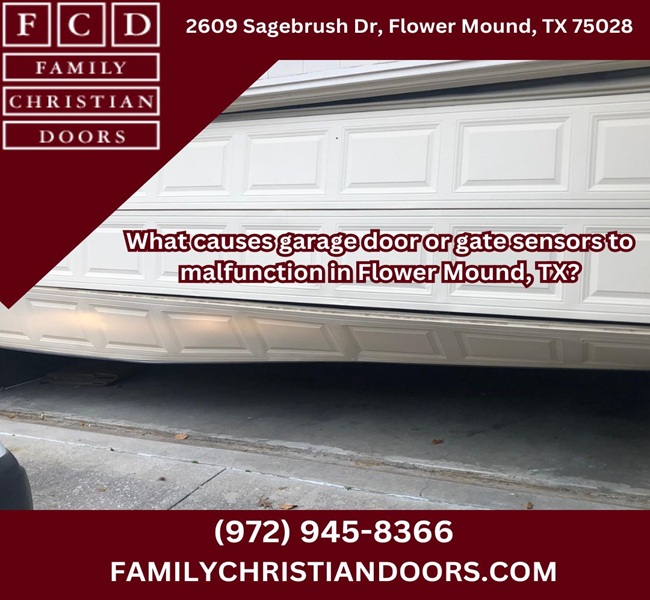
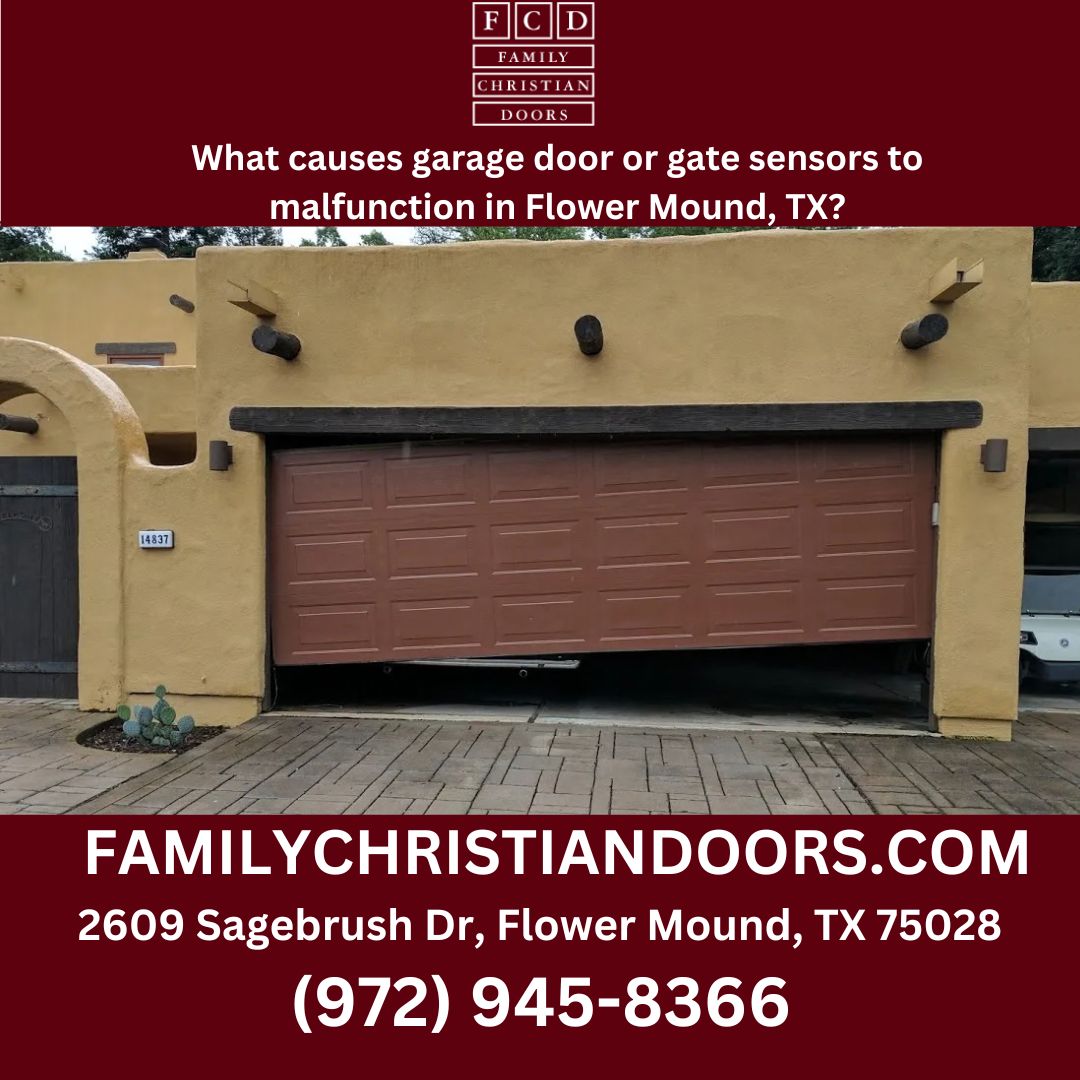
This is the most common symptom property owners report when a sensor system is failing. The door begins its closing cycle normally, then reverses when it reaches a certain point, even though the path appears completely clear. Before assuming a mechanical problem with the opener itself, the sensor system should be evaluated. A misaligned receiver, a contaminated lens, or a wiring fault is almost always the cause. Attempting to force the door closed by holding the wall button is a temporary workaround that bypasses the safety circuit entirely and should not become a habit.
Sensor Indicator Lights Are Blinking, Mismatched, or Off
Most residential and commercial garage door openers communicate sensor status through indicator lights on the sensor units themselves. A steady green light on the receiving sensor typically confirms a clean beam path. A blinking or amber light signals that the beam is interrupted or misaligned. If both lights are off, there may be a power supply or wiring issue. When the lights on the two sensors do not match, alignment is almost always the issue. Consulting the specific indicator light pattern in your opener’s documentation gives a reliable first read on the fault type before a technician arrives on site.
What Happens When Sensor Problems Go Unaddressed
Ignoring a malfunctioning sensor creates compounding risks. The most immediate concern is safety: a door or gate that fails to detect an obstruction and closes anyway poses a direct risk to people, pets, and vehicles. Beyond safety, an unresolved sensor fault often causes the opener motor to work harder and cycle more frequently as the system attempts to complete operations that the sensor fault is blocking. This accelerated wear on the motor, circuit board, and drive mechanism can ultimately require a full Garage Door Opener Replacement, turning what began as a minor sensor adjustment into a significantly larger repair. For gate systems specifically, unresolved sensor failures often lead to gate strikes against vehicles or structural components, creating liability exposure that a timely service call would have prevented entirely.
When to Call a Professional for Sensor Repair in Flower Mound, TX
Some sensor maintenance tasks, such as gently wiping lens surfaces with a clean cloth, are within reach for most property owners. However, diagnosing the underlying cause of a persistent fault, particularly when the visible symptoms are intermittent, requires calibrated testing tools and direct experience with the specific opener and sensor model in use. Attempting to realign sensor brackets without understanding the correct beam angle, or splicing damaged wiring without waterproof connectors, often creates additional failures without resolving the original problem.
Flower Mound homeowners and property managers with gate access systems benefit from working with a technician who understands both garage door sensor systems and gate-specific technology. The diagnostic process, repair approach, and appropriate replacement components differ meaningfully between the two. Confirming that the right sensor type is being serviced with the correct calibration standard is what separates a lasting repair from a recurring fault that continues to disrupt daily operations.
Conclusion
Sensor malfunctions in garage doors and gate systems are almost never random. They follow predictable patterns rooted in physical misalignment, environmental contamination, wiring wear, and the specific climate conditions that North Texas delivers across every season. Flower Mound properties face an above-average combination of these pressures: high pollen counts, extreme summer heat, storm-season humidity, and residential orientations that create direct sunlight interference during key hours of the day.
The original question behind this article, what causes garage door or gate sensors to malfunction in Flower Mound, TX, has a clear answer: a combination of mechanical wear from daily cycles, environmental exposure unique to North Texas, and deferred maintenance that allows small faults to compound over time. Catching these issues early and working with a qualified local technician is the most reliable way to maintain a safe, fully functional system for both residential and commercial properties.
Family Christian Doors serves Flower Mound and the surrounding DFW area with garage door and gate sensor diagnostics, alignment, and repair for both residential and commercial systems. If your door or gate is showing any of the warning signs described in this article, reach out to schedule a professional evaluation or explore more resources at familychristiandoors.com/garage-door-repair-flower-mound.