

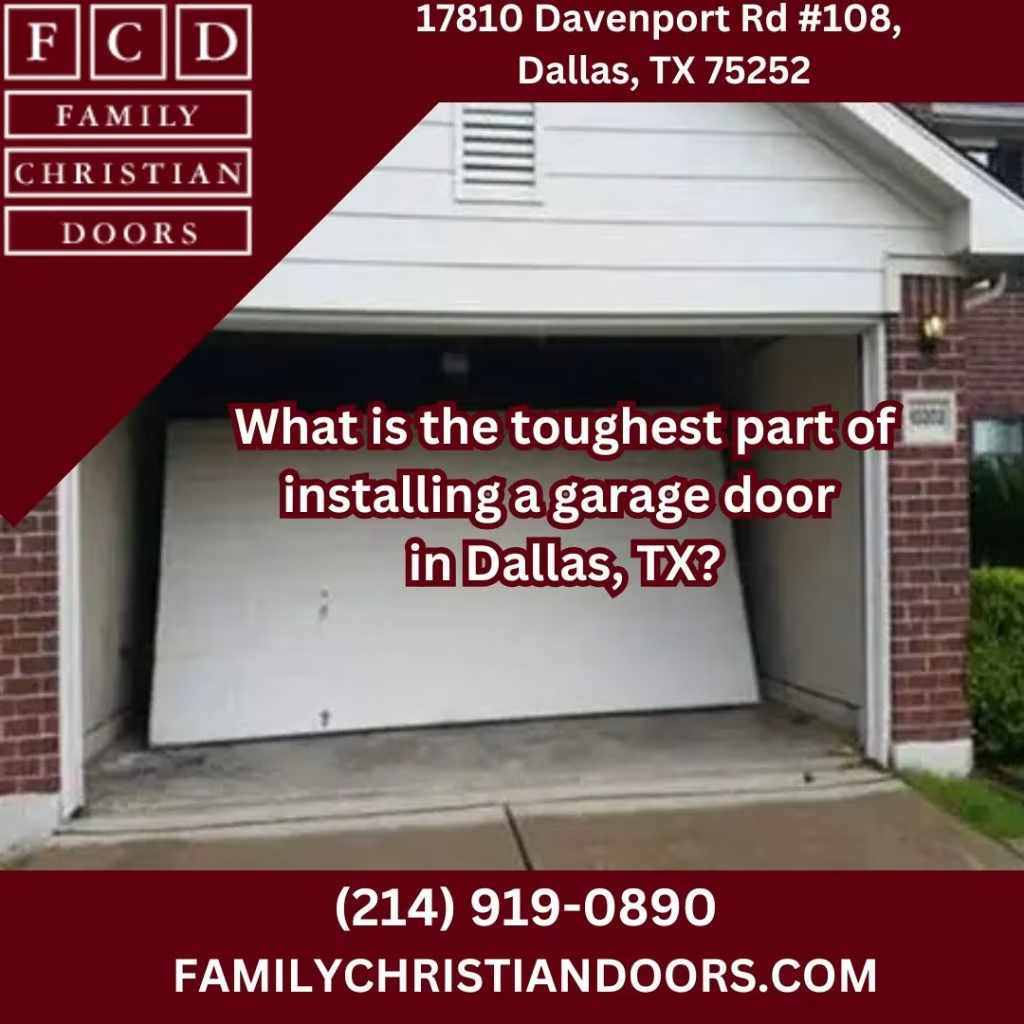
The toughest part of installing a garage door in Dallas or even handling garage door repair is correctly installing and tensioning the springs, because this step governs safety, balance, and long term performance. Springs store significant energy, and any mistake can lead to severe injury or a door that will not open or close reliably. Beyond the mechanics, Dallas homeowners also face climate and code considerations that influence material choice, hardware selection, and setup. Understanding these challenges helps you make informed decisions that protect your family, your vehicle, and your home.
Introduction: Why Garage Door Installation Isn’t as Simple as It Looks
The importance of a properly installed garage door
A garage door is the largest moving system in most homes. It must lift smoothly, seal well, and stop on a dime when a sensor is triggered. Precision during installation affects noise, opener strain, energy efficiency, and door lifespan. A door that is balanced and aligned protects the opener motor and reduces wear on rollers, hinges, and tracks. Good installation also helps maintain home security and weather protection during North Texas storm season.
Why Dallas homeowners face unique challenges
Heat, sun exposure, and sudden weather swings are common across the Metroplex. Summer heat can cause metal to expand and lubricants to thin. Spring volatility brings wind and heavy rain. Many neighborhoods have HOAs and specific style requirements. Local codes and wind load considerations can affect hardware, track bracing, and fasteners. All of these variables make precision and product choices especially important in Dallas.
The Toughest Part of Installing a Garage Door
Precision in balancing the door
Every door should be able to rest at the halfway point without drifting up or down when the opener is disengaged. Achieving this balance requires matching spring size to door weight, setting the correct turns, and verifying cable tension. Even a small mismatch can cause jerky travel, noisy operation, and early opener failure.
Handling heavy door panels safely
Modern insulated doors improve comfort in Texas heat, but they add weight. Managing stacked sections during installation requires careful staging, secure ladders, and proper lifting technique. Panels must be set square and plumb while keeping fingers clear of pinch points. One misstep can crack a section or deform a hinge, which later shows up as binding and scraping.
Correctly installing and tensioning springs the most dangerous step
Why spring installation is so risky
Torsion springs sit above the door and store energy that counterbalances the door’s weight. When tensioned, that energy is significant. Releasing or applying it without the right bars and sequence can cause sudden movement. An unsecured winding bar can slip. A set screw can strip. A cable can jump a drum if tension is not equal side to side. Any of these issues can result in serious injury or property damage.
How professionals handle this step safely
Experienced technicians measure the door, verify label and lift data, and select springs with the correct inside diameter, wire size, and length. They lock the shaft, set drums evenly, and wind in measured quarter turns while checking cable alignment. After tensioning, they perform a manual lift test, fine tune balance, and verify that safety devices are set correctly before reconnecting the opener. This methodical approach prioritizes the safety of people and property.
Dallas Specific Challenges
Weather extremes and material choice heat, humidity, storms
Dallas summers push garage temperatures high for long periods. Steel doors with foam insulation resist heat transfer better than hollow pan doors. In neighborhoods with strong sun exposure on the garage elevation, lighter colors reflect more heat and reduce panel expansion. For humidity and storm events, rust resistant hardware, sealed bottom weatherstrips, and properly fastened track bracing help maintain smooth operation and keep out water and debris.
Local building codes and HOA restrictions
Some areas require specific wind load ratings or reinforcement kits for wide two car doors. HOAs may specify panel designs, window layouts, or color palettes. These requirements affect lead times, hardware choices, and the install sequence. Getting these parameters right before installation prevents rework and delays.
Availability of professional installation services in Dallas
The Metroplex has a large housing stock with a mix of older homes and new builds. Schedules can fill quickly during peak seasons and after severe weather. Planning ahead and choosing a team experienced with Dallas neighborhoods ensures familiarity with common framing conditions and alley lot constraints that affect truck access and staging.
| Installation Task | What Can Go Wrong if Done Incorrectly |
|---|---|
| Track alignment and anchoring | Binding, rubbing, premature roller wear, noisy operation |
| Spring selection and tensioning | Poor balance, sudden movement risk, opener strain |
| Cable setup on drums | Uneven lift, cable fray, door racking and panel stress |
| Hinge and roller placement | Section misalignment, cracked stiles, repeat service calls |
| Opener rail and header bracket | Vibration, flexing, pull out from framing under load |
- Balance depends on both correct spring specs and precise turns.
- Temperature swings magnify small alignment errors into big problems.
- Cable and drum setup must be symmetrical to avoid door racking.
- Fastener choice and placement matter in Texas framing and brick veneer.
- Final safety checks protect people, pets, and vehicles every day.
Common Mistakes Homeowners Make During DIY Installation
Misaligning the tracks
Tracks must be plumb and parallel, with consistent spacing across the door. If the verticals are twisted or the horizontals have the wrong pitch, the door will fight the path. This shows up as scraping, roller pop, and a door that slows or reverses unexpectedly.
Underestimating the weight and size of modern doors
Insulated and impact resistant doors add weight and require the right lift system. Using a lighter spring set or an opener that is not rated for the door can shorten equipment life. Handling larger sections without proper support also increases the risk of dents or joint damage.
Skipping safety checks on auto reverse sensors
Photo eyes must be mounted at the correct height and aligned so the beam is continuous. The force settings on the opener should be tested with a certified method to ensure the door reverses on contact. Neglecting these checks puts people and property at risk.
Why Professional Installation Is Worth It
Safety and liability concerns
Spring work and heavy panel handling require training, protective equipment, and the right tools. A professional reduces the chance of injury and is accountable for code compliance and manufacturer specifications. This protects the homeowner and their home insurance position.
Time and cost efficiency in the long run
A well installed door saves time and reduces future service needs. Proper balance protects the opener, correct pitch keeps rollers quiet, and better seals improve comfort. All of that adds up to fewer disruptions and a smoother daily routine.
Warranty protection and peace of mind
Manufacturers often specify professional installation to maintain product coverage. Documentation, correct hardware, and proof of setup steps support warranty claims. Reliable records and consistent maintenance schedules lead to a system that performs well through the Texas seasons.
Tips for Dallas Homeowners Considering a New Garage Door
Choosing the right door material steel, wood, insulated, and more
Steel doors with polyurethane or polystyrene cores provide durable performance and improved thermal comfort. Wood complements traditional architecture but needs more upkeep in heat and humidity. Composite options offer the look of wood without the same maintenance needs. Match the style to your neighborhood while prioritizing durability and insulation for Dallas weather.
Energy efficiency and insulation for Texas heat
Insulated doors help stabilize garage temperatures, which can protect stored items and reduce heat transfer to adjacent rooms. Weatherstripping at the bottom and along the jambs should be fresh, pliable, and well seated. Consider lighter exterior colors to reduce solar heat gain on south and west facing garages.
Finding a trusted local installer in Dallas
Look for consistent track records with homes similar to yours. Experience with North Texas framing, brick or stone lintels, and alley access garages is valuable. Ask about spring sizing practices, safety testing procedures, and how balance is verified before the opener is connected. A clear process shows a commitment to safety and quality.
Conclusion: Balancing Safety, Functionality, and Expertise
The key takeaway spring installation is the toughest part
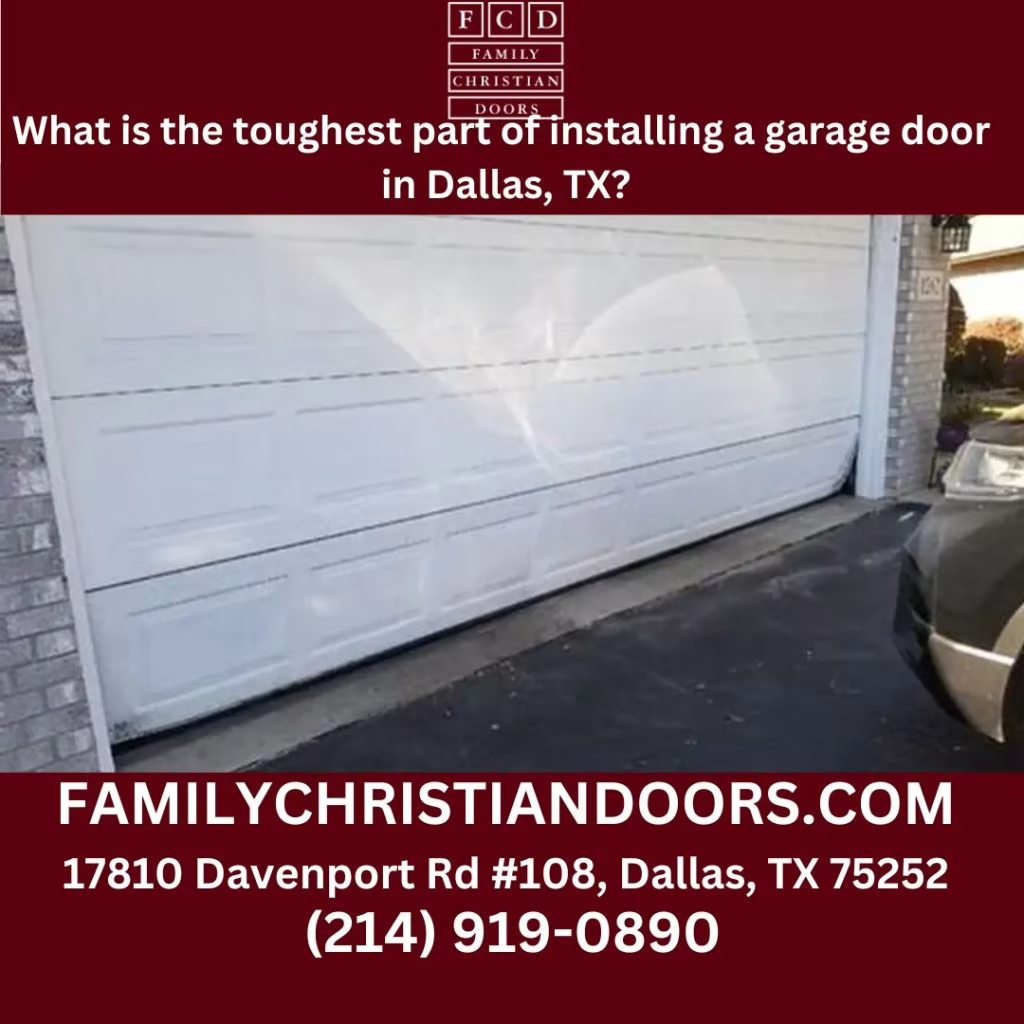
The most difficult and risky step is setting and tensioning the springs while achieving perfect balance. This single task influences safety, smoothness, and the life of every other component. It demands accurate measurement, proper hardware, and disciplined technique.
Why calling a pro in Dallas makes sense
Dallas weather, code expectations, and heavy modern doors create a demanding environment for garage door systems. A professional understands local conditions, sizes the lift system correctly, and verifies every safety feature before turning the system over to you. If you are considering service or a new installation, the team at Family Christian Doors can walk you through options, explain safety steps, and ensure your door is set up the right way. To learn more, visit familychristiandoors dot com forward slash garage dash door dash repair dash dallas. You can also reach out directly and reference the Garage Door Repair Dallas page on their site.
In summary the toughest part of installing a garage door in Dallas is the precise and safe installation of the spring system, followed by careful balancing, alignment, and verification of safety devices. Understanding why this step is complex helps homeowners appreciate the value of experienced technicians who work safely and build systems that last.