

You can usually tell your garage door has structural damage if you notice bent or warped panels, misaligned tracks, sagging sections, or unusual noises when the door opens and closes. In Arlington, Texas, the combination of intense summer heat, sudden storms, and humidity swings can accelerate wear on garage door components in ways homeowners in milder climates may never experience. Recognizing these signs early can help you avoid a complete breakdown, protect your vehicle and family, and prevent a minor issue from turning into a major garage door repair.
Understanding Structural Damage vs. Cosmetic Wear
What Counts as Structural Damage on a Garage Door
Structural damage refers to problems that affect the physical integrity or operational safety of the door itself, not just its appearance. This includes bent panels, cracked framing, broken springs, damaged tracks, or a door that no longer sits evenly in its frame. These issues affect how the door functions and, in some cases, how safely it can be operated.
Common Cosmetic Issues That Are Often Mistaken for Structural Problems
Scratches, faded paint, small dents, or surface rust are typically cosmetic and do not affect the door’s performance. Many homeowners assume any imperfection signals a serious problem, but a scuffed panel from a bicycle bump is very different from a warped panel caused by heat exposure or impact. Learning to tell the difference can save you unnecessary worry and help you focus on what truly needs attention.
Visible Warning Signs of Structural Damage
Panel Bending, Warping, or Buckling
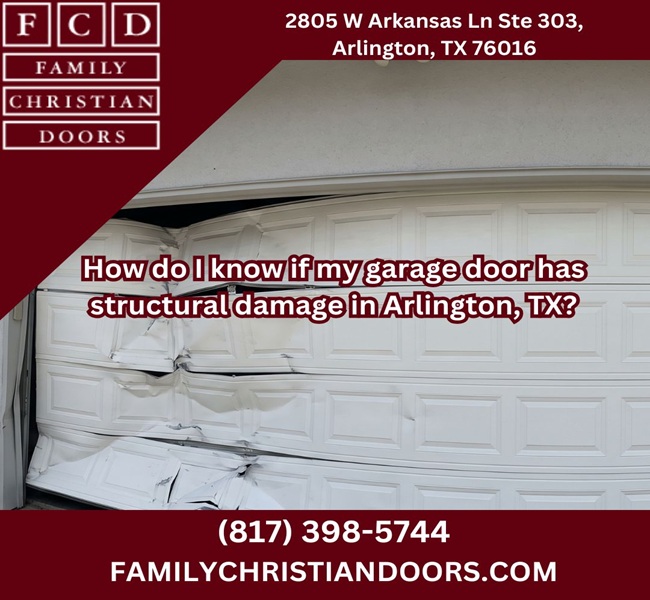
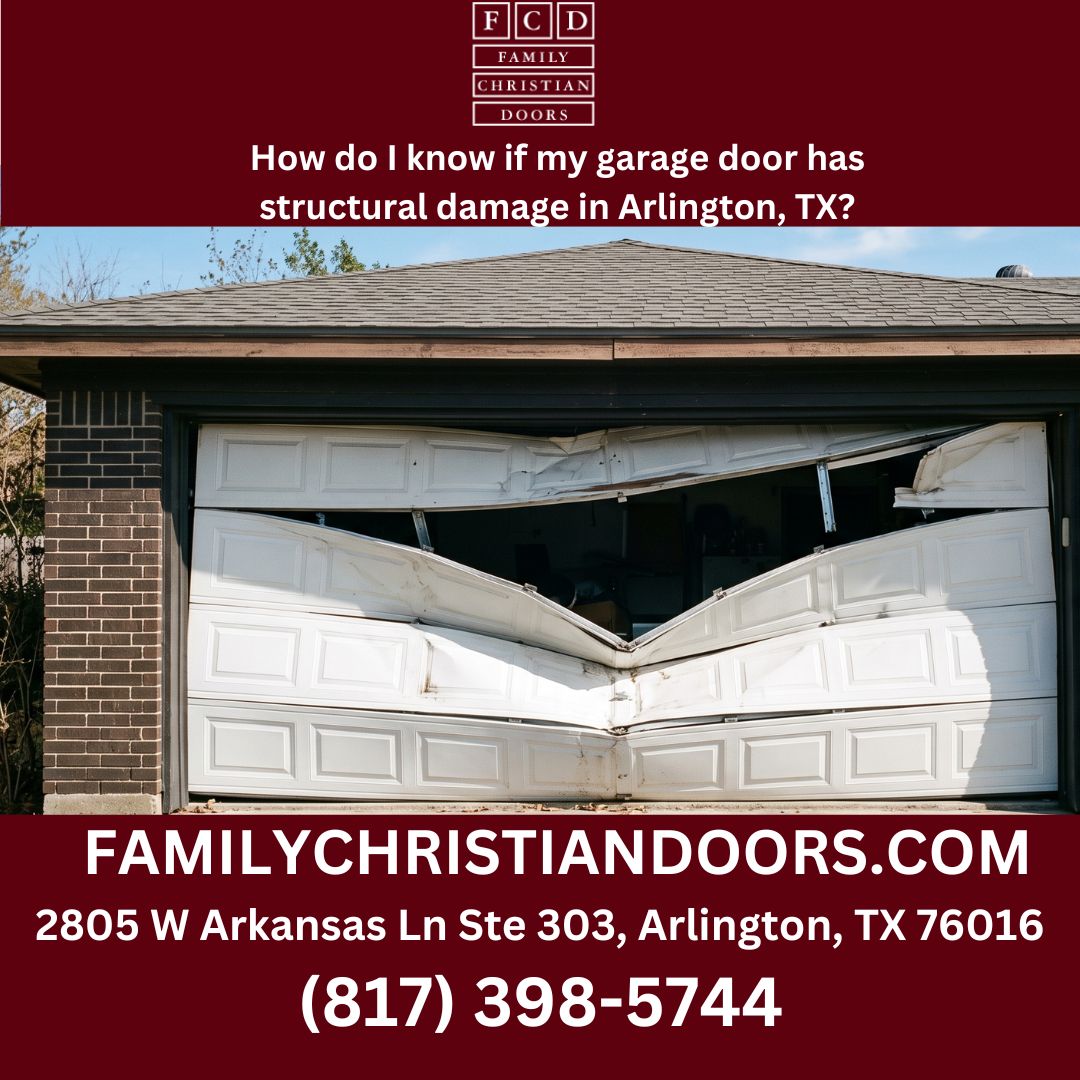
A garage door is made of connected panels that are meant to sit flush against one another. If you notice a panel that curves outward, buckles under light pressure, or no longer lines up with the panels around it, this is a clear sign of structural stress. Left unaddressed, a single Bent Garage Door Panel can throw off the balance of the entire door.
Track Misalignment and Separation
The tracks guide your door as it moves up and down. If the tracks appear bent, pulled away from the wall, or uneven on either side, the door may bind, jerk, or come off its rollers entirely. This is one of the more serious signs of structural concern, and a Garage Door Off-Track situation often requires prompt attention.
Cracks or Splits in Wood or Steel Panels
Wood garage doors can develop splits from repeated expansion and contraction, while steel doors may crack at stress points or where previous dents were never properly repaired. Even a small crack can widen over time, weakening the panel further.
Sagging or Uneven Door Sections
Stand back and look at your door when it is fully closed. If one side sits lower than the other, or the top of the door appears to dip in the middle, this often points to a structural issue with the panels, tracks, or supporting hardware.
How Arlington’s Climate Contributes to Structural Damage
Heat Expansion and Panel Warping
Arlington summers regularly bring triple digit temperatures, and a garage door facing direct sun can absorb significant heat throughout the day. Steel panels expand slightly in the heat and contract again overnight, and repeated cycles like this can eventually cause warping, especially in older doors or those with lower quality materials.
Storm and Wind Impact on Door Alignment
North Texas is no stranger to sudden storms and high winds. A strong gust pressing against a closed garage door can stress the tracks, hinges, and panels, particularly if the door was not properly reinforced. Homeowners who have experienced a severe storm season often notice alignment issues shortly afterward.
Humidity and Rust Formation on Steel Components
Humidity swings throughout the year can lead to moisture buildup on metal hardware, including hinges, tracks, and springs. Over time, this moisture can cause rust, which weakens these components and makes them more prone to bending or breaking under normal use.
| Warning Sign | What It May Indicate |
|---|---|
| Bent or warped panels | Heat stress or impact damage affecting panel integrity |
| Misaligned or separated tracks | Structural strain that can cause the door to bind or derail |
| Visible cracks or splits | Weakened panel material that may worsen over time |
| Sagging door sections | Uneven support from hardware or panel damage |
| Unusual grinding or scraping noises | Mechanical strain often linked to structural issues |
Operational Signs That Indicate Structural Issues
Unusual Noises During Opening or Closing
A garage door in good structural condition should move smoothly and relatively quietly. Grinding, popping, or scraping sounds often mean something inside the system, whether it is a panel, roller, or track, is under abnormal stress.
The Door Struggling to Open or Close Smoothly
If your door hesitates, jerks, or requires more force than usual to move, this can point to structural resistance somewhere in the system. This is different from a simple lubrication issue and often signals a deeper mechanical or structural cause.
Increased Strain on the Opener Motor
Garage door openers are designed to work with a properly balanced and structurally sound door. If the motor seems to be working harder than usual, making louder noises, or taking longer to complete a cycle, the underlying cause may be structural rather than electrical.
Why Structural Damage Shouldn’t Be Ignored
Safety Risks for Your Home and Vehicle
A structurally compromised garage door can fail unexpectedly, potentially damaging a vehicle, trapping someone underneath, or collapsing under wind pressure, particularly if the issue involves a Broken Garage Door Spring, which can cause sudden and forceful movement. Given that the garage door is often the largest moving object in a home, safety should always be a top priority.
How Minor Damage Escalates Into Costly Repairs
A small crack or minor misalignment rarely stays small. Over time, added strain on the opener, springs, and hardware can lead to a full system failure that requires far more extensive repair than the original issue would have.
What to Do If You Suspect Structural Damage
Steps to Take Before Calling a Professional
Start by visually inspecting the door for bending, cracking, or misalignment. Listen for unusual sounds during operation, and take note of when the issue started and whether it coincided with a storm, temperature change, or impact. Avoid operating the door repeatedly if you suspect a serious issue, as this can worsen the damage.
Why a Professional Inspection Matters
Structural issues are not always visible to the untrained eye. A trained technician can identify underlying problems with tracks, springs, or panel alignment that may not be obvious from a simple visual check, helping you address the root cause rather than just the symptom.
Frequently Asked Questions
Can a garage door be repaired after structural damage, or does it need full replacement?
It depends on the extent of the damage. Minor issues affecting a single panel or track section can often be repaired, while widespread warping or multiple damaged components may call for a Residential Garage Door Replacement.
How often should I inspect my garage door for structural issues?
A visual inspection every few months is a good practice, along with checking after any major storm or extreme heat event common in the Arlington area.
Does Arlington’s weather really affect garage door structure that much?
Yes. The combination of intense heat, occasional severe storms, and humidity swings throughout the year places more stress on garage door materials than milder climates typically do.
Understanding how to recognize structural damage, from bent panels and misaligned tracks to unusual noises and sagging sections, gives Arlington homeowners the knowledge to act before a small issue becomes a safety hazard or a major expense. If you have noticed any of these warning signs on your own garage door, Family Christian Doors is ready to help you get a clear answer and a lasting solution. Reach out today to schedule an inspection and keep your home protected.