

If your garage door is making grinding or squeaking noises, it’s often a sign that something is wearing out, needs lubrication, or has shifted out of alignment. These noises can indicate minor issues like dry rollers or more serious problems such as loose hardware or failing springs. For homeowners in Dallas, TX, where temperature changes and humidity can take a toll on garage door systems, identifying the cause early can prevent costly garage door repair and keep your door running smoothly. Understanding what causes these sounds helps ensure your garage door stays safe, reliable, and quiet.
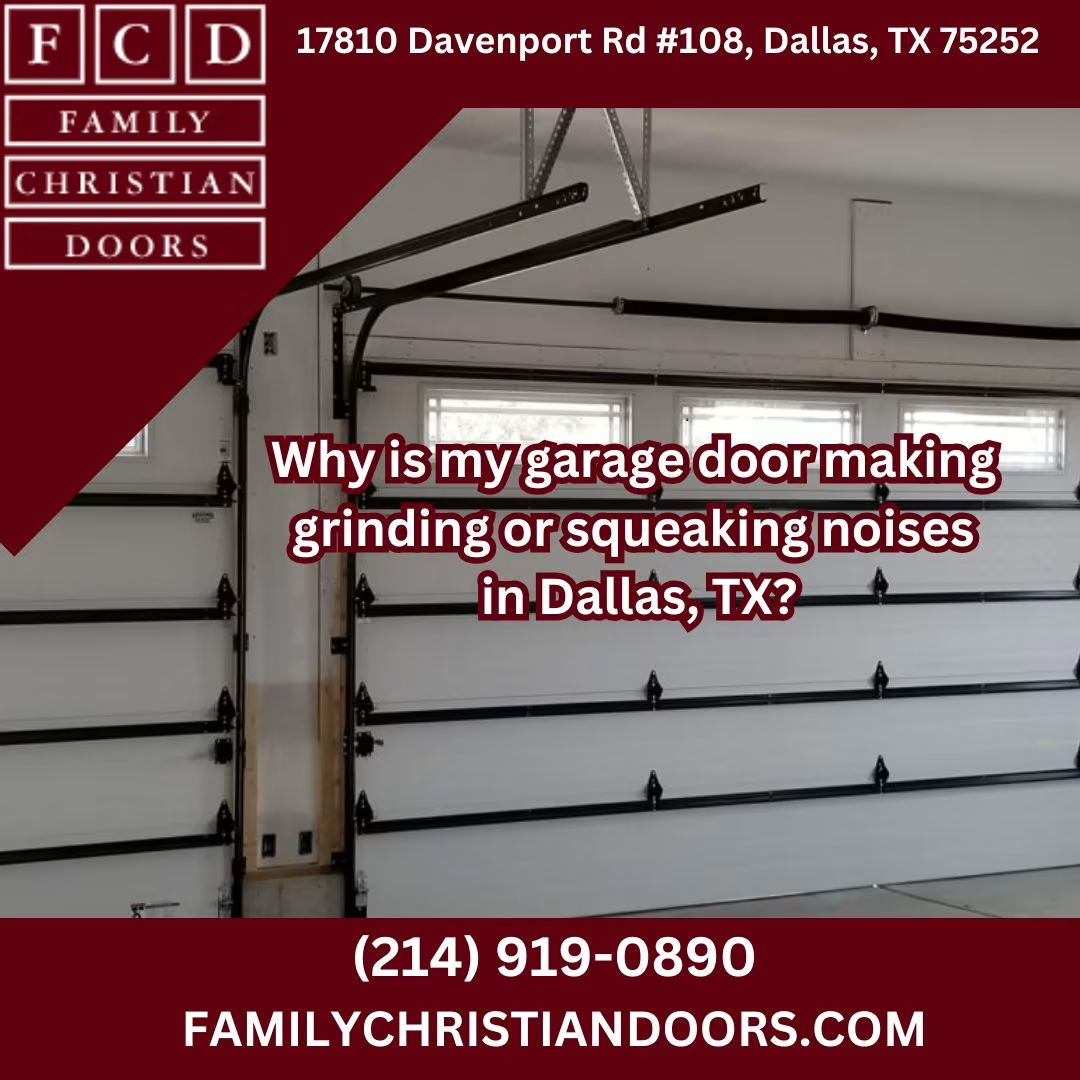
Introduction — When Garage Door Noises Become a Concern
Why unusual sounds shouldn’t be ignored
Many homeowners overlook unusual garage door noises until the problem becomes severe. Grinding or squeaking often indicates friction, worn-out components, or lack of maintenance. Ignoring these sounds can lead to more extensive mechanical damage, making it harder for the door to operate safely. Early detection not only saves time but also keeps your family’s safety intact.
Common noises homeowners in Dallas often notice
Dallas homeowners frequently report noises such as squeaks, grinds, rattles, or bangs. Each type of sound can signal a specific issue. Squeaking may suggest dry metal parts, while grinding often means rollers or tracks are misaligned. The dry Texas climate can also increase friction between components, especially when seasonal changes bring in dust and heat.
What Causes a Garage Door to Make Grinding or Squeaking Noises?
Lack of lubrication on moving parts
One of the most common causes of squeaking is a lack of lubrication on parts like rollers, hinges, and springs. Without proper lubrication, metal components rub directly against each other, producing a high-pitched sound every time the door moves.
How weather in Dallas affects lubrication
Dallas experiences both hot summers and cooler winters, which can cause lubricants to dry out faster. This temperature fluctuation can lead to increased friction, making seasonal lubrication a key maintenance task for Dallas homeowners.
Worn-out rollers or hinges
Over time, rollers and hinges experience wear and tear. When rollers begin to crack or lose their smooth surface, the door struggles to glide along the track. This can create grinding or scraping noises that worsen as the damage progresses.
The difference between metal and nylon rollers
Metal rollers are durable but tend to be noisier, especially when lubrication wears off. Nylon rollers, on the other hand, operate more quietly and don’t require as much maintenance. Many Dallas homeowners switch to nylon rollers for a smoother and quieter experience.
Loose hardware and misaligned tracks
Vibration from frequent use can cause nuts, bolts, and brackets to loosen over time. When this happens, the garage door’s balance shifts, leading to grinding or rattling sounds as the door moves. Misaligned tracks may also cause the rollers to drag, creating a grinding noise that signals immediate attention.
Signs your garage door tracks need adjustment
If you notice uneven gaps between the rollers and tracks or your door jerks as it opens, the tracks may need realignment. Misalignment often stems from regular wear or a small bump from a car or heavy object near the door.
Faulty opener or drive mechanism
The garage door opener plays a significant role in how smoothly your door moves. If the opener’s drive mechanism is worn or the chain is dry, it can cause loud grinding noises every time the door operates.
When the motor itself causes the noise
Sometimes, the grinding sound comes directly from the motor gears. This can happen if the internal gears are stripped or if the motor lacks lubrication. These issues usually require professional diagnosis and repair to avoid motor failure.
Broken springs or tension issues
Springs bear the weight of your garage door, and when they weaken or break, they produce creaks or squeals as the door struggles to lift evenly. In some cases, broken torsion springs can create a loud pop or screech before the door stops functioning altogether.
How to Diagnose the Source of the Noise
Step-by-step inspection tips for homeowners
- Close the garage door and disconnect the opener.
- Manually lift and lower the door to detect resistance or noise points.
- Check rollers, hinges, and tracks for wear, rust, or dirt buildup.
- Inspect the springs and cables for visible damage or imbalance.
- Listen closely to locate the area where the sound originates.
When to stop troubleshooting and call a professional
If you notice broken springs, frayed cables, or loud grinding from the motor, it’s time to contact a professional. These components are under high tension and can be dangerous to handle without the right tools or experience.
Quick Fixes You Can Try Safely
Properly lubricating the right components
Use a silicone-based or lithium-based garage door lubricant on hinges, rollers, and springs. Avoid using regular household oils since they attract dust and can cause further friction.
Tightening loose bolts and screws
Use a wrench to check and tighten all visible bolts and nuts, focusing on the brackets and hinges. This simple step can quickly reduce rattling and grinding noises.
Cleaning the tracks and rollers
Remove debris, dust, and hardened grease from the tracks with a damp cloth. Clean rollers to ensure they move freely without obstruction, preventing scraping or squeaking sounds.
Replacing worn rollers or hinges (for experienced DIYers)
Homeowners with mechanical experience can replace worn rollers or hinges to restore quiet operation. If unsure, it’s best to have a technician perform the replacement safely.
| Common Cause | Typical Sound or Symptom |
|---|---|
| Lack of Lubrication | Squeaking or screeching with movement |
| Loose Hardware | Rattling or shaking during operation |
| Worn Rollers | Grinding or scraping noises |
| Misaligned Tracks | Jerky movement or scraping |
| Broken Springs | Loud pop or uneven lifting |
Professional Garage Door Repair in Dallas, TX
Why local climate and usage matter
In Dallas, garage doors are used multiple times daily, often under harsh conditions. The intense summer heat and occasional humidity can wear down metal parts quickly. Local professionals understand how these factors affect performance and can recommend appropriate maintenance schedules for the region.
What a professional inspection typically includes
During an inspection, technicians examine springs, rollers, hinges, cables, and openers. They test the door’s balance, check safety sensors, and ensure all components operate correctly. Professionals also apply proper lubrication and tighten hardware to restore quiet operation.
Benefits of scheduling regular maintenance
Routine maintenance extends the lifespan of your garage door system and prevents minor issues from turning into major repairs. Regular tune-ups also enhance safety and ensure smooth, quiet performance year-round.
Preventing Future Noises
Routine maintenance checklist
- Lubricate moving parts every few months
- Inspect rollers and hinges for cracks or wear
- Clean tracks and remove debris
- Test the balance and auto-reverse feature
- Schedule professional inspections annually
Recommended lubrication schedule for Dallas homeowners
Given the fluctuating Texas weather, lubricating your garage door system at least twice a year — once before summer and again before winter — can prevent friction buildup and extend the life of components.
Signs it’s time for a full garage door replacement
If your door continues to make noise even after maintenance, or if multiple parts like springs, tracks, and rollers are worn out, replacement may be the most practical long-term solution. Older doors that lack modern safety features are also good candidates for upgrading.

Conclusion — Restore Smooth, Quiet Operation
Key takeaways on identifying and preventing garage door noises
Grinding and squeaking sounds are clear signs that your garage door needs attention. Common culprits include lack of lubrication, worn rollers, or loose hardware. Regular inspection and lubrication can go a long way in maintaining performance and preventing damage.
When to contact a Dallas-based garage door repair expert
If your garage door continues to make noise despite basic maintenance, it’s best to call a trusted local professional. The experienced technicians at Family Christian Doors understand the unique challenges Dallas homeowners face and can restore quiet, reliable operation. To learn more or request expert service, visit familychristiandoors.com/garage-door-repair-dallas/.