

Yes, while you can safely handle basic garage door maintenance yourself, most garage door repair tasks should be left to professionals for safety and long-term effectiveness.
Garage doors are complex systems that involve high-tension components like springs and cables. While DIY fixes might seem cost-effective, incorrect handling can lead to serious injury or further damage. If you’re in Southlake Texas, knowing when to act yourself and when to call an expert is crucial for keeping your garage door functioning smoothly. This comprehensive guide explores what garage door repair jobs are safe for homeowners, which ones require trained technicians, and why professional service is often the smartest choice.

How Does a Garage Door System Work?
To know when to take action on your own, it helps to understand the basic mechanics of a garage door. These systems consist of:
- Torsion or extension springs: Help balance the weight of the door.
- Cables: Lift and lower the door in sync with the springs.
- Tracks and rollers: Guide the door as it opens and closes.
- Panels and hinges: Provide structure and allow the door to bend.
- Garage door opener: The motorized unit that automates operation.
Each component must work in harmony to ensure safe and seamless operation. Failure in just one element can affect the entire system.
Safe DIY Garage Door Repairs You Can Do
Some light maintenance tasks are perfectly safe and even encouraged for homeowners. These tasks improve performance and help identify problems before they escalate.
1. Lubricating Moving Parts
Apply a silicone-based lubricant to rollers, hinges, and springs every few months to reduce noise and friction.
2. Tightening Loose Bolts and Screws
Garage doors vibrate with use. Check brackets, hinges, and rail systems to tighten any hardware that’s come loose.
3. Replacing Remote Batteries
If your garage door isn’t responding, it might be as simple as swapping out dead remote or keypad batteries.
4. Cleaning the Tracks
Use a vacuum or damp cloth to remove debris from the tracks. Avoid greasing the tracks, which can cause buildup over time.
5. Testing Auto-Reverse Features
Place an object under the door and close it. If it doesn’t reverse, the sensor may need adjustment or replacement—a job often better suited to a professional.
Garage Door Repairs That Require Professional Help
Garage door systems carry significant mechanical risk. Certain repairs should only be handled by trained technicians.
1. Spring Replacement
Garage door springs are under extreme tension and can snap violently if mishandled. This is one of the most dangerous parts of the system to repair without training.
2. Cable Repairs
Worn or frayed cables can cause the door to collapse suddenly. Repairing or replacing them incorrectly can be hazardous.
3. Garage Door Opener Repairs
Electrical diagnostics, motor replacements, and sensor alignments are best left to professionals who can troubleshoot and install with precision.
4. Track Realignment or Replacement
Bent or misaligned tracks cause erratic movement and may derail the door entirely. Fixing alignment requires exact measurements and specialized tools.
5. Panel Replacement
Replacing a panel affects the balance and structure of the door. A misaligned panel can add stress to the opener and cause premature failure.
In Southlake Texas, these advanced repairs are commonly required due to seasonal humidity shifts and natural wear from daily use.
Common DIY Risks and Why They Matter
Trying to fix serious garage door issues on your own can have unintended consequences.
- Injury Risk: Springs and cables can snap unexpectedly.
- Further Damage: Inaccurate repairs may worsen the issue.
- Misuse of Tools: Home tools may not be suited for garage door components.
- Voiding Warranties: DIY fixes may nullify service agreements.
Your garage door is the largest moving object in your home. Treating it with care ensures you avoid costly future repairs—or worse, accidents.
How to Tell If You Need Garage Door Repair
Watch for the following signs that your garage door might need immediate attention:
- Grinding, squeaking, or popping noises
- Jerky or staggered movement
- Inconsistent operation via remote or wall switch
- A door that won’t fully close or open
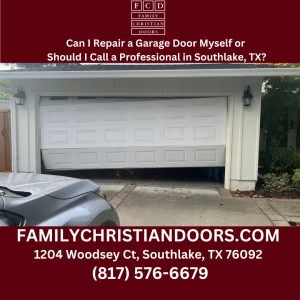
- Sags, misalignment, or visible damage
If any of these issues arise, especially alongside frayed cables or rusted hardware, it’s time to consult a professional technician.
Benefits of Hiring a Professional
Calling in a certified garage door technician ensures your system gets a thorough inspection and accurate repair.
- Proper Training: Licensed professionals understand all door models.
- Correct Tools: They use industry-grade equipment for safety and precision.
- Comprehensive Diagnosis: Pros catch issues you might miss.
- Preventative Care: Technicians often identify worn parts before they fail.
- Time Savings: Repairs are faster, cleaner, and more reliable.
In many Southlake homes, quick professional repair prevents more significant issues down the road.
Emergency Garage Door Repair: When Time is Critical
When your garage door won’t open and your car is trapped inside—or your door won’t close and your home is exposed—time matters. Emergency repair services offer same-day help to restore security and convenience quickly.
Whether it’s a snapped spring, motor failure, or jammed tracks, professionals arrive equipped and ready.
Preventative Maintenance Tips for Homeowners
Staying proactive can help extend the lifespan of your garage door system. Try these simple maintenance tasks:
- Inspect Monthly: Look for visible wear on springs, cables, and rollers.
- Lubricate Seasonally: Keep hinges, rollers, and springs well-lubricated.
- Clean Tracks: Remove dust and obstructions regularly.
- Test the Balance: Disconnect the opener and manually lift the door. If it doesn’t stay halfway, it may be unbalanced.
- Test Safety Sensors: Make sure they stop and reverse the door correctly.
Routine attention helps prevent unexpected breakdowns and ensures your door stays in top condition year-round.
Garage Door Repair FAQs
Q: How long do garage door springs usually last?
A: Typically 7–10 years, depending on usage and climate.
Q: Why does my door reverse before closing?
A: Misaligned or dirty sensors may be the cause.
Q: Can I replace just one damaged panel?
A: Yes, but matching it perfectly and installing it properly is critical.
Q: Should I disconnect my opener if the door malfunctions?
A: Yes. Disconnecting prevents further strain on the motor.
Final Thoughts: Know When to Call the Experts
If you’re wondering, “Can I repair a garage door myself or should I call a professional in Southlake, TX?”—start with what’s safe. Routine upkeep is fine, but if you’re unsure or dealing with complex issues, hiring a pro is your best move.
DIY fixes might seem quick, but with so much riding on correct functionality, professional garage door repair ensures safety, longevity, and peace of mind.
When in doubt, reach out to a trusted garage door repair specialist in Southlake Texas to get the job done right the first time.
