

When a garage door cable breaks, expect the door to become unstable, difficult to operate, and potentially dangerous to use. Timely garage door repair is crucial to restore safety and functionality.
Garage door cables play a critical role in the safe and smooth operation of your door. When one breaks, it disrupts the balance and puts extra strain on the entire mechanism, making immediate attention essential. In Dallas Texas, where residents use their garages daily, such disruptions can be both inconvenient and risky, often requiring professional garage door repair to prevent further damage.
Understanding the Function of Garage Door Cables
Garage door cables are an integral part of the counterbalance system. They work alongside torsion or extension springs to lift and lower the door evenly. As the door operates, cables wind and unwind on drums, helping to carry the door’s weight.
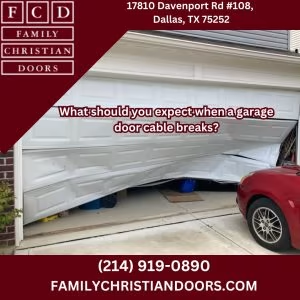
A broken cable compromises this balance. The door may lean to one side, become jammed, or shut unexpectedly. Even if one cable fails, the entire system becomes misaligned, increasing stress on other parts such as springs, tracks, and the opener.
Common Causes of Garage Door Cable Breakage
- Wear and Tear: Over time, daily use leads to fraying, especially in older systems.
- Rust and Corrosion: Moisture, common in many environments including Dallas Texas, can cause cables to rust and weaken.
- Improper Tension: Cables under uneven tension wear out faster.
- Low-Quality Materials or Installation: Substandard cables or incorrect installation can lead to premature failure.
- Track Obstructions: Debris or misalignment can stress cables, leading them to snap.
Recognizing the early signs—like frayed strands, uneven movement, or strange noises—can prevent more significant failures.
Symptoms of a Broken Garage Door Cable
If a garage door cable breaks, you may observe:
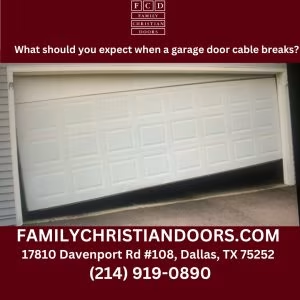
- One side of the door sagging
- The door operating crookedly
- A loud snap during use
- The door stopping halfway
- Sudden or forceful door closure
These are signs of an unsafe condition. Stop using the door immediately to avoid injury or further damage.
Why You Should Never Operate a Garage Door with a Broken Cable
Operating a garage door with a broken cable poses serious safety risks:
- The door may fall unexpectedly, damaging anything in its path.
- The opener could be strained, leading to motor or gear failure.
- Torsion springs absorb more load, which could cause them to break.
Continuing to use the door may escalate the damage. If you encounter a malfunction, a professional garage door repair is your safest option.
What Happens During a Garage Door Cable Repair?
When a garage door technician arrives, they will usually:
- Conduct a Full Inspection: Technicians evaluate both cables, springs, tracks, and related components.
- Disconnect the Opener: For safety, automatic openers are turned off.
- Replace Both Cables: Even if only one is broken, both are typically replaced for balance.
- Inspect and Adjust Other Hardware: Drums, springs, and hinges are tightened or replaced as needed.
- Test Door Functionality: The technician ensures smooth and safe movement.
In Dallas Texas, weather-related wear is common, making regular inspections a valuable preventive measure.
Effects on Other Components
A broken cable doesn’t just affect the cable itself—it stresses multiple other components:
- Torsion Springs: Without cable support, these springs bear more weight.
- Garage Door Opener: Motor and gears can become overworked.
- Drums and Tracks: Misaligned tension can bend or damage these areas.
A complete inspection is essential to restore full, safe operation.
How to Prevent Garage Door Cable Breakage
- Routine Maintenance: Annual inspections by garage door repair professionals can catch early wear.
- Lubrication: Use approved lubricants on moving parts.
- Keep Tracks Clean: Remove leaves, dirt, or obstructions.
- Listen for Warning Sounds: Squeaking, grinding, or jerky movements often signal issues.
- Visual Checks: Look for rust, frays, or bulges on the cables.
These habits help extend the life of your cables and overall garage door system.
Can You Replace a Garage Door Cable Yourself?
While some homeowners consider DIY fixes, cable replacement is a high-risk task. The components are under heavy tension, particularly the torsion springs. Incorrect handling can result in injury or further damage to your door system.
Even minor mistakes in cable alignment or tension calibration can lead to imbalanced operation. This is why professional garage door repair is strongly advised. Experts have the tools and knowledge to complete repairs safely and effectively.
When to Call a Garage Door Repair Expert
Don’t wait for complete system failure. Contact a repair specialist when you notice:
- A crooked or slanted door
- Snapping sounds during operation
- Difficulty opening or closing the door
- Frayed or dangling cables
In Dallas Texas, professionals understand local weather conditions and their impact on metal components. Their experience allows for efficient diagnosis and repair.
Conclusion: Take Action for Safety and Reliability
A broken garage door cable isn’t just a mechanical failure—it’s a potential hazard. If left unaddressed, it can lead to extensive damage and serious injury.
Stay alert for warning signs like uneven doors or strange sounds. Prioritize preventative care and routine maintenance. And when a cable does break, don’t delay.
In Dallas Texas and beyond, garage door repair experts offer the right skills and tools to ensure your door operates safely. Always seek professional help to restore balance, security, and peace of mind to your home.