

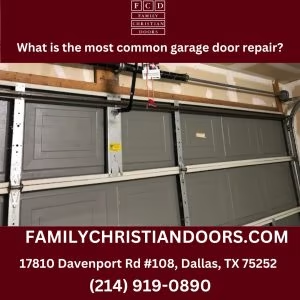
The most common garage door repair is fixing a broken garage door spring. Springs bear the door’s weight and ensure smooth operation, but they wear out over time due to repeated use.
Garage doors are essential for home security and convenience but undergo significant wear and tear. Many homeowners in Dallas, Texas, experience common garage door issues that disrupt daily routines. Among these, broken springs are the most frequent problem. Understanding what causes this and other common garage door malfunctions can help you address repairs before they become costly headaches. Let’s explore the most frequent garage door repairs and how to handle them effectively.

1. Broken Garage Door Springs
Garage door springs play a crucial role in counterbalancing the door’s weight. Over time, these springs weaken due to repeated opening and closing. When a spring snaps, the door may become extremely heavy and challenging to lift manually. There are two types of springs: torsion and extension springs.
- Torsion Springs: Mounted above the door, these are more durable and last longer.
- Extension Springs: Located on the sides of the door, these are prone to stretching and wear out faster.
If you hear a loud bang in the garage, it may be caused by a broken spring. Due to the high tension they carry, replacing garage door springs is a job best left to professionals.
2. Garage Door Opener Issues
A malfunctioning garage door opener can be frustrating. It may fail to respond to remote controls, make unusual noises, or struggle to lift the door. Common causes include:
- Worn-out gears inside the motor
- Electrical issues in the control panel
- Blocked safety sensors
- Misaligned or damaged chains and belts
Ensuring the opener is properly maintained can prevent these issues. Regular lubrication and checking the power source are good habits to adopt.
3. Misaligned or Damaged Tracks
Garage doors operate on metal tracks that guide their movement. Over time, these tracks can bend or misalign due to accidental impact or natural wear. When this happens, the door may not move smoothly or become stuck halfway.
Signs of track problems include:
- Grinding noises during operation
- Gaps between rollers and tracks
- Visible bends in the track
If the damage is minor, adjusting the track might fix the issue. However, significant damage may require track replacement.
4. Worn-Out Rollers and Hinges
Garage door rollers help the door move up and down smoothly. Over time, they can wear out, leading to a noisy or jerky door movement. Similarly, hinges may become loose or break, causing misalignment.
Regular lubrication and inspection of rollers and hinges can extend their lifespan. If you notice excessive noise or shaking, replacing the rollers and tightening the hinges can restore smooth operation.
5. Garage Door Sensor Malfunctions
Modern garage doors feature safety sensors that prevent them from closing on objects, pets, or people. When these sensors become dirty or misaligned, the door may refuse to close correctly.
To troubleshoot sensor issues:
- Clean the sensor lenses to remove dust and debris.
- Ensure both sensors are aligned and facing each other.
- Check for obstructions in the sensor path.
A malfunctioning sensor is a simple fix but plays a crucial role in home safety.
Preventative Maintenance for Garage Doors
While garage door repairs are inevitable over time, regular maintenance can prevent frequent breakdowns. Here are a few maintenance tips to keep your garage door in good condition:
- Lubricate Moving Parts – Apply lubricant to the rollers, hinges, and tracks to reduce friction.
- Inspect Cables and Springs – Look for signs of fraying or wear and replace them as needed.
- Test the Door Balance – Disconnect the opener and manually lift the door. It should stay in place; otherwise, spring tension may need adjustment.
- Check the Weather Stripping – Replace worn-out weather seals to improve insulation and prevent debris from entering.
When to Call a Professional
While some minor garage door repairs can be handled with essential tools, specific issues require professional expertise. If you encounter any of the following, it’s best to seek help:
- A broken spring can be dangerous to replace without proper tools.
- There are electrical issues with the garage door opener.
- Severe track misalignment, causing the door to jam.
- Persistent safety sensor problems despite cleaning and adjusting.
Professionals have the right equipment and experience to ensure safe and effective repairs.
Conclusion
Broken garage door springs remain the most common issue homeowners face. However, problems such as faulty openers, track misalignment, worn-out rollers, and malfunctioning sensors can also disrupt garage door operation. For homeowners in Dallas, Texas, addressing these repairs promptly ensures the door remains functional and secure. Whether handling minor fixes yourself or calling a professional for complex issues, staying proactive with garage door maintenance can save time and effort in the long run.